Automotive 2025: Smarter, Safer, Sooner
– Five converging trends shape automotive’s future: AI software market reaching $200 billion by 2032, NHTSA 2029 AEB mandates and Euro NCAP Vision Zero targets, software-defined vehicles enabling OTA updates that could prevent over 90% of traffic deaths, radar market growth from $6.6 billion to $33.6 billion by 2030, and sensor fusion market reaching $3.3 billion
– Regulatory advancements including NHTSA’s 2029 pedestrian AEB mandate require sensors with long-range detection from short range to over 300 meters, high resolution for accurate object tracking, and all-weather performance to ensure effective automatic emergency braking even in adverse conditions
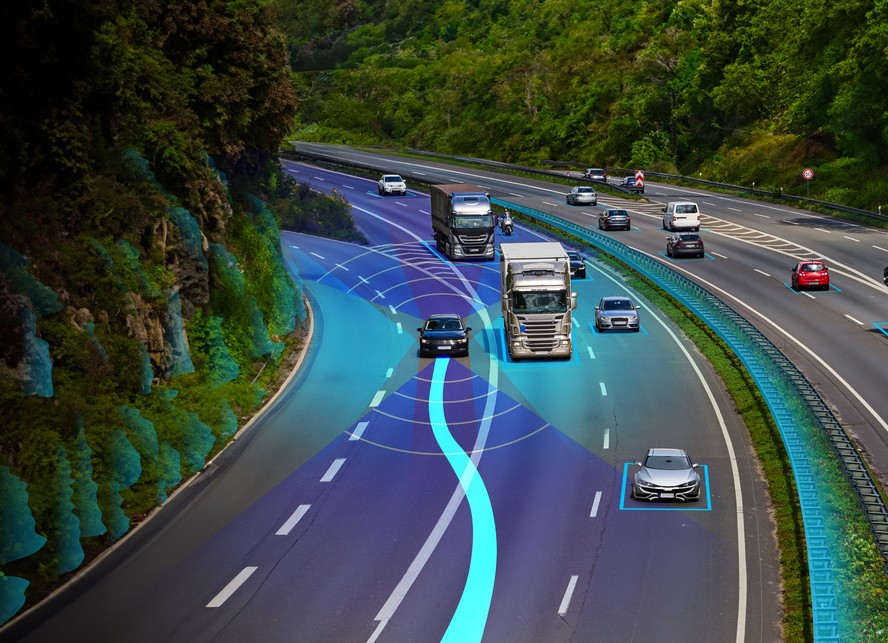
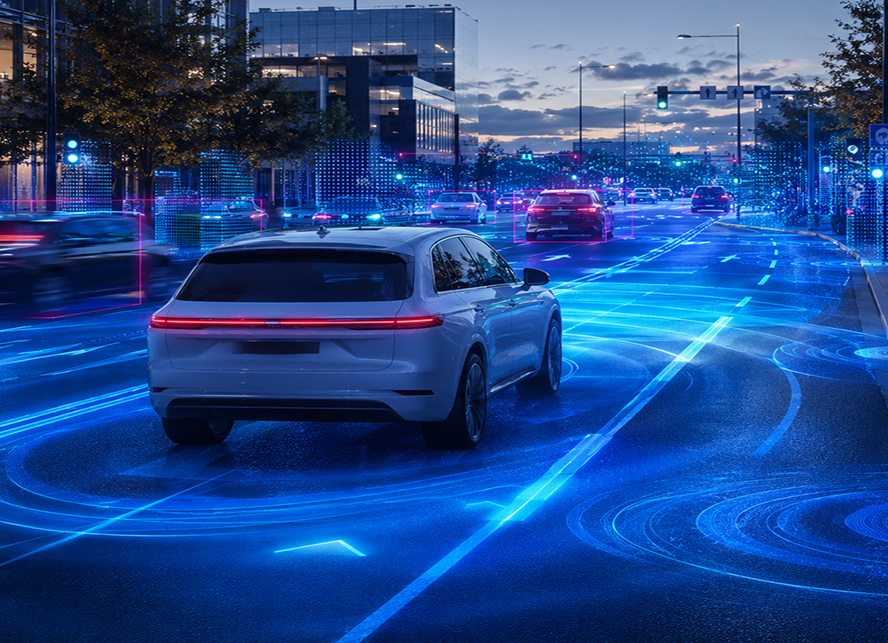
– High-resolution 4D imaging radar generates rich data as vital input for AI algorithms, enabling informed decisions in challenging weather and lighting conditions at long ranges and high speeds where cameras and LiDAR struggle, providing the all-weather perception backbone essential for true autonomous driving
– Software-defined radar architectures enable continuous improvement through over-the-air updates, allowing vehicles to benefit from latest radar processing and perception algorithms without hardware changes, ensuring systems evolve with emerging autonomous driving requirements and maximize safety potential
– Sensor fusion strategically combines optimal sensor types, with radar providing reliable data even when cameras and LiDAR are compromised, creating comprehensive multi-modal perception systems that integrate seamlessly to achieve higher autonomy levels and meet stringent safety standards
Automotive 2025: Smarter, Safer, Sooner
– Five converging trends shape automotive’s future: AI software market reaching $200 billion by 2032, NHTSA 2029 AEB mandates and Euro NCAP Vision Zero targets, software-defined vehicles enabling OTA updates that could prevent over 90% of traffic deaths, radar market growth from $6.6 billion to $33.6 billion by 2030, and sensor fusion market reaching $3.3 billion
– Regulatory advancements including NHTSA’s 2029 pedestrian AEB mandate require sensors with long-range detection from short range to over 300 meters, high resolution for accurate object tracking, and all-weather performance to ensure effective automatic emergency braking even in adverse conditions
– High-resolution 4D imaging radar generates rich data as vital input for AI algorithms, enabling informed decisions in challenging weather and lighting conditions at long ranges and high speeds where cameras and LiDAR struggle, providing the all-weather perception backbone essential for true autonomous driving
– Software-defined radar architectures enable continuous improvement through over-the-air updates, allowing vehicles to benefit from latest radar processing and perception algorithms without hardware changes, ensuring systems evolve with emerging autonomous driving requirements and maximize safety potential
– Sensor fusion strategically combines optimal sensor types, with radar providing reliable data even when cameras and LiDAR are compromised, creating comprehensive multi-modal perception systems that integrate seamlessly to achieve higher autonomy levels and meet stringent safety standards
The automotive industry is in the midst of a transformative period, driven by rapid advancements in technology and an increasing focus on safety. Several key trends are shaping the future of mobility – and perception radar technology, like that developed by Arbe, is playing a crucial role in enabling and supporting these advancements. In fact, Arbe’s cutting-edge radar solutions are perfectly positioned to address the evolving demands of the automotive industry. Here’s what to look out for this year in Automotive:
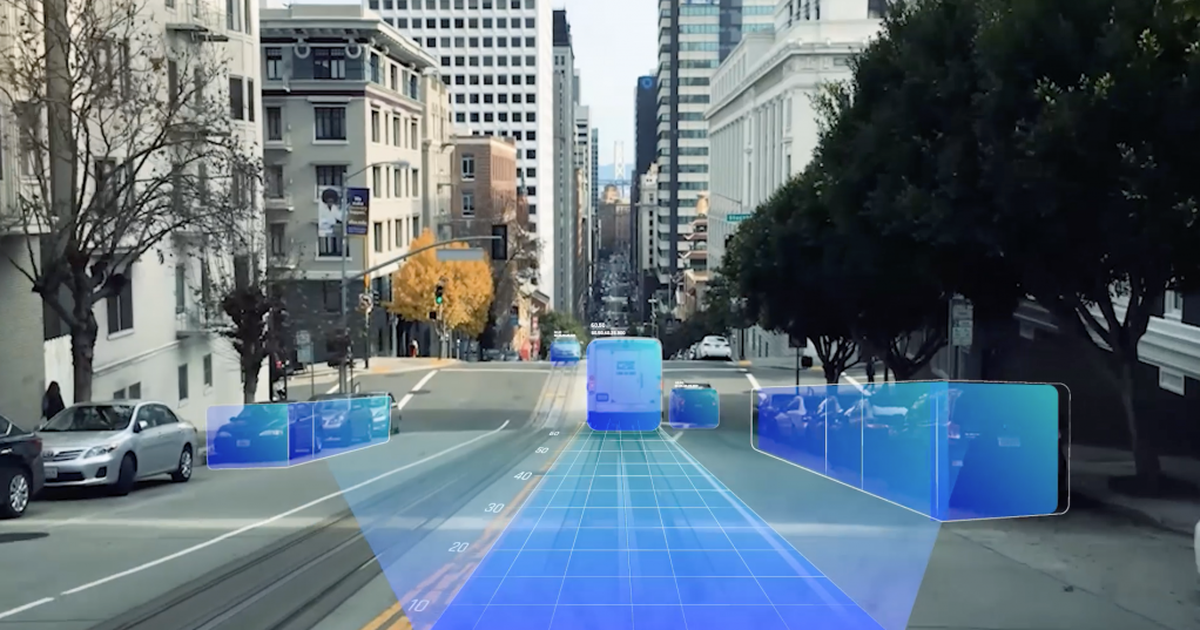
The automotive AI software market is projected to surge to a staggering $200 billion by 2032, revolutionizing vehicle safety and autonomy. AI-powered features, including real-time object recognition and path prediction, are crucial for enhancing safety and enabling self-driving capabilities.
Arbe’s Perception Radar generates rich, high-resolution data that serves as a vital input for these AI algorithms. The detailed and accurate information provided by Arbe’s radar enables AI to make more informed decisions, especially in challenging weather and lighting conditions at long ranges and high speeds where other sensors might struggle. This synergy between advanced radar and AI is essential for achieving true autonomous driving.
Read more: Leveraging AI in Radar to Achieve True Safety
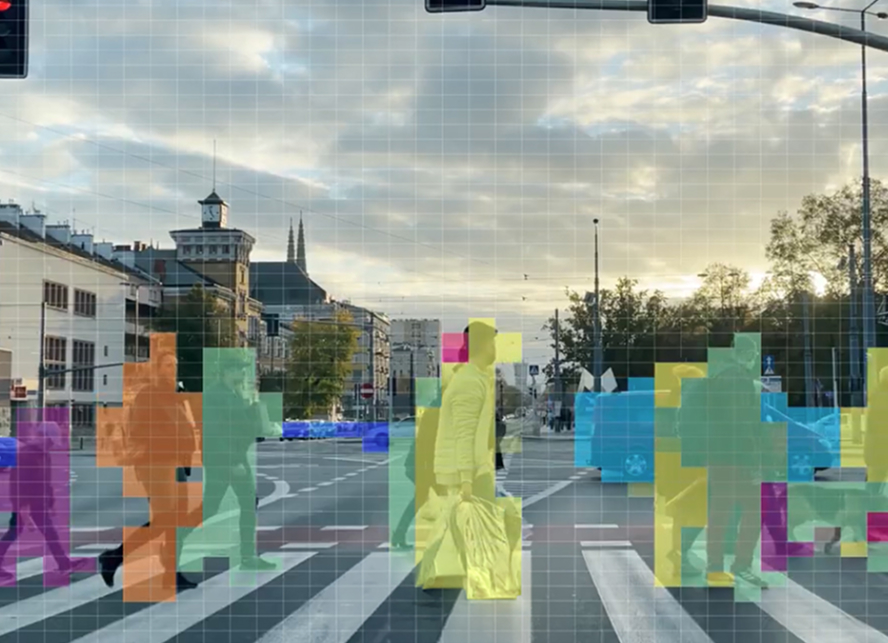
Regulatory advancements are pushing automakers to significantly enhance emergency braking and ADAS capabilities. For example, the NHTSA 2029 vehicle safety standard will mandate AEB systems, including pedestrian AEB, as a default feature in all passenger cars and light trucks, and Euro NCAP has set an ambitious Vision Zero target by 2030. Meeting these stringent safety standards requires a new generation of high-performance sensors.
Arbe’s 4D imaging radar provides the long-range, high-resolution, and all-weather performance necessary to power these advanced safety systems. Its ability to accurately detect and track objects, even in adverse conditions, is crucial for effective AEB and other critical safety features.
Read more; Perception Radar is Key to Achieving Regulatory Targets
The pace of the evolution of the automotive industry will increase as we allow for shorter software cycles to upgrade functionality. Among other advantages, imagine that over 90% of traffic deaths could potentially be prevented through autonomous driving (AD) functions enabled by Software Defined Vehicles (SDVs). Over-the-air (OTA) updates are turning vehicles into upgradeable smart platforms, delivering constant improvements in performance and safety.
Arbe’s Perception Radar is designed with the future of SDVs in mind. Its software-defined nature allows for continuous improvement and adaptation through OTA updates, ensuring that vehicles equipped with Arbe’s technology can benefit from the latest advancements in radar processing and perception algorithms. This adaptability is key for realizing the full potential of SDVs and their contribution to road safety.
Read more: Arbe’s Software Defined Radar Architecture
Arbe is at the forefront of this trend, offering high-resolution 4D imaging radar that provides unparalleled performance in all weather conditions. This makes Arbe’s radar a critical enabler for advanced driver-assistance systems (ADAS) and autonomous driving, fulfilling the market’s demand for robust and reliable sensing solutions.
Read more: How Perception Radar Weathers Any Weather
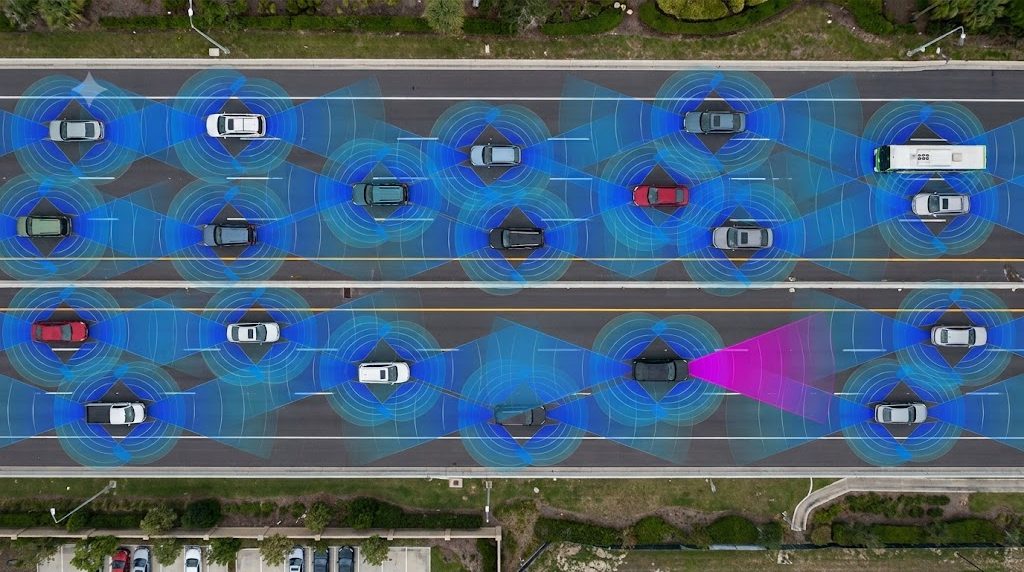
The focus is shifting from simply adding more sensors to strategically selecting the optimal sensor mix. The Sensor Fusion Market is predicted to reach $3.3 billion by 2030. Radar that seamlessly integrates with other sensors is becoming the cornerstone of intelligent vehicle sensing.
Arbe’s Perception Radar is designed for sensor fusion. Its ability to provide accurate and reliable data, even in challenging environments, makes it an ideal complement to cameras and other sensors. This multi-modal approach to sensing, powered by advanced radar, creates a more comprehensive and robust perception system, essential for achieving higher levels of autonomy and safety.
Read more: Arbe leads radar market in sensor fusion performance.
As these five trends converge, they create a clear picture of the automotive industry’s future – one where safety, intelligence, and efficiency reach new heights. Arbe’s Perception Radar technology isn’t just keeping pace with these trends; it’s helping to drive them. By providing high-resolution, all-weather sensing capabilities that integrate seamlessly with AI systems and other sensors, Arbe is enabling the next generation of automotive safety and autonomy. As the industry continues to evolve, technologies like Perception Radar will play an increasingly crucial role in shaping the future of transportation.