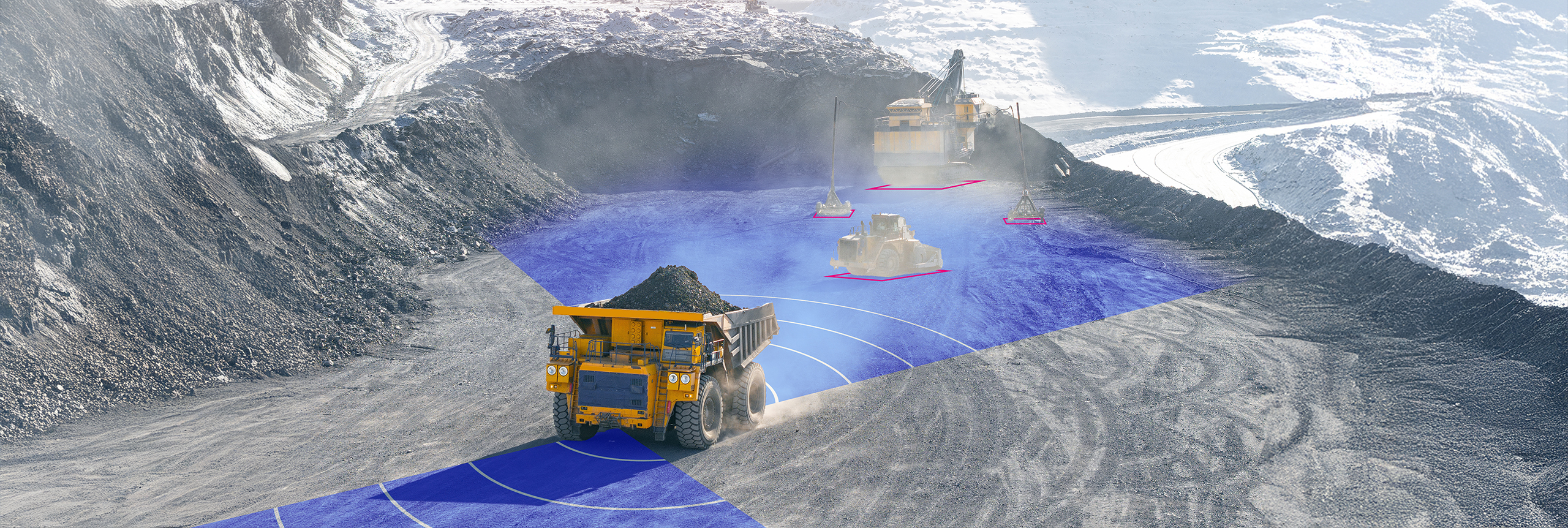
The Core Perception Bottleneck: While digital intelligence, world models, and AI control software have advanced rapidly, Physical AI remains heavily bottlenecked by hardware data inputs, proving that systems cannot safely execute actions beyond what their sensors can reliably perceive.
Sensor Limitation Pitfalls: Existing autonomy stacks over-rely on weather-dependent cameras, high-cost/complex LiDAR, or low-resolution conventional radars, all of which introduce dangerous blind spots and cause commercial deployment to stall when encountering unpredictable real-world environments.
Disruptive Radar Performance: Arbe’s 4D imaging radar solves the hardware problem by utilizing 2,304 virtual channels to deliver 100 times more detailed information than traditional radar, enabling precise tracking of pedestrians, obstacles, and debris up to 300 meters away.
All-Weather Perception Trust: Unlike visual and optical sensors that fail in blinding sunlight, darkness, rain, fog, dust, or snow, Arbe’s radar maintains total environmental data fidelity, transforming unvalidated perception performance into baseline perception trust.
Cross-Industry Scalability: Beyond autonomous passenger vehicles and trucking, the mechanical durability, instantaneous Doppler tracking, and NVIDIA DRIVE Hyperion integration make this high-resolution radar the foundational sensing layer for robotics, defense, and industrial automation.
The Core Perception Bottleneck: While digital intelligence, world models, and AI control software have advanced rapidly, Physical AI remains heavily bottlenecked by hardware data inputs, proving that systems cannot safely execute actions beyond what their sensors can reliably perceive.
Sensor Limitation Pitfalls: Existing autonomy stacks over-rely on weather-dependent cameras, high-cost/complex LiDAR, or low-resolution conventional radars, all of which introduce dangerous blind spots and cause commercial deployment to stall when encountering unpredictable real-world environments.
Disruptive Radar Performance: Arbe’s 4D imaging radar solves the hardware problem by utilizing 2,304 virtual channels to deliver 100 times more detailed information than traditional radar, enabling precise tracking of pedestrians, obstacles, and debris up to 300 meters away.
All-Weather Perception Trust: Unlike visual and optical sensors that fail in blinding sunlight, darkness, rain, fog, dust, or snow, Arbe’s radar maintains total environmental data fidelity, transforming unvalidated perception performance into baseline perception trust.
Cross-Industry Scalability: Beyond autonomous passenger vehicles and trucking, the mechanical durability, instantaneous Doppler tracking, and NVIDIA DRIVE Hyperion integration make this high-resolution radar the foundational sensing layer for robotics, defense, and industrial automation.
AI can now write code, analyze contracts, generate video, and reason through complex problems. The intelligence layer has advanced faster than almost anyone expected.
But bringing AI into the physical world is a different challenge entirely.
Physical AI is already proving itself in controlled environments. The next frontier is outdoor autonomy, where robots, vehicles, and autonomous machines must operate in rain, glare, dust, darkness, and constantly changing conditions. And no matter how advanced the model is, the system can only act on what it can reliably perceive.
Physical AI is bottlenecked less by “thinking” and more by grounding: perceiving the world accurately enough, fast enough, and safely enough to act in it.
Every physical AI system operates through a continuous loop of four connected layers:
Observations: raw sensor inputs that capture the current state of the world and the system itself
World Model: a model that predicts how the environment may evolve based on current observations and planned actions
Control Policy: the decision layer that generates actions based on the world model’s state estimate
Feedback Loop: the ongoing cycle in which actions change the environment, produce new observations, and refine future decisions
AI has made major progress in modeling, prediction, and control. But the loop still begins with observation. If the sensor data is incomplete, delayed, noisy, or unreliable, every downstream layer is affected.
To understand the scale of this issue, consider the human body. We rely on millions of biological sensors, from nerve endings in the skin to vestibular input and high-resolution eyesight, to maintain constant environmental awareness. Today’s physical AI systems operate with a fraction of that input, using hardware that is far less capable than biological equivalents.
This leads to real-world failures. For example, despite billions of dollars invested in custom compute infrastructure and advanced autonomous driving software, camera-only vehicle systems continue to face reliability challenges in degraded visibility conditions. The software is capable, but the hardware inputs are insufficient. Sensor quality, not AI processing power, is the limiting factor.
Every major sensor category comes with tradeoffs.
Because of these limitations, physical AI systems either over-rely on weather-dependent sensors or operate with dangerous blind spots. While development moves quickly in controlled testing environments, commercial deployment stalls because the hardware cannot handle unpredictable real-world conditions.
Arbe was founded to solve the perception problem at the hardware level by building optimized sensors for autonomous machines – vehicles and beyond.
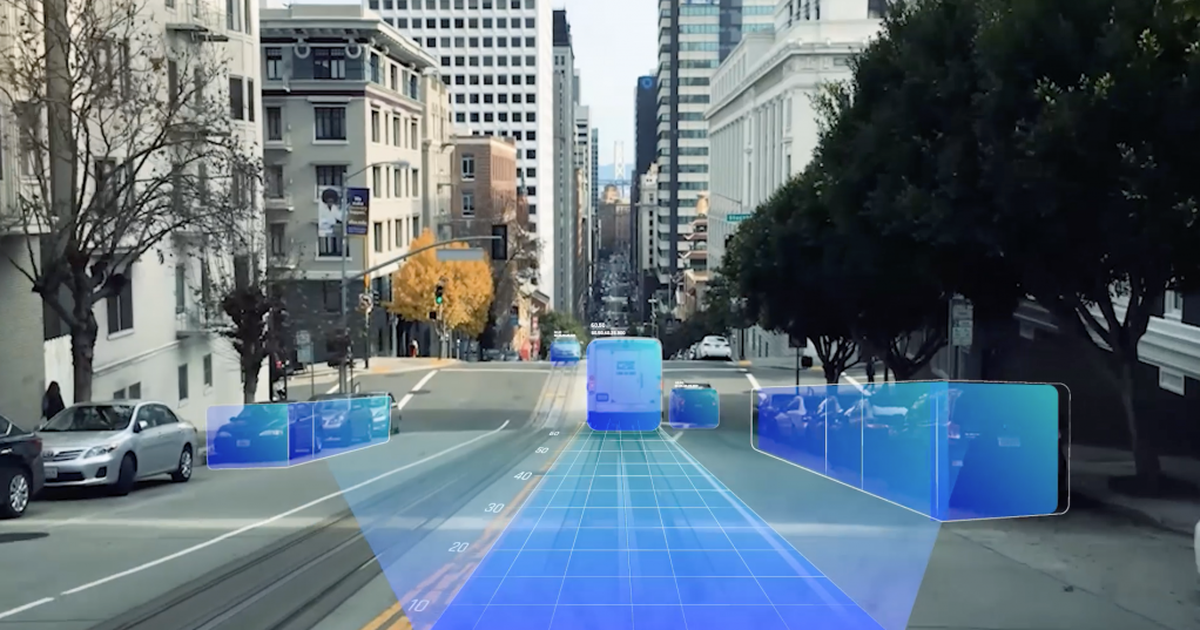
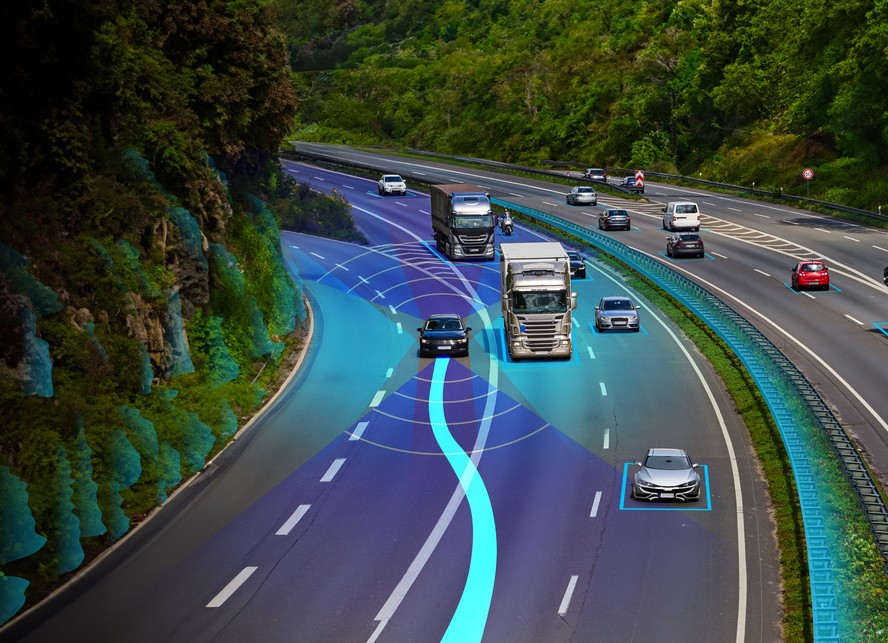
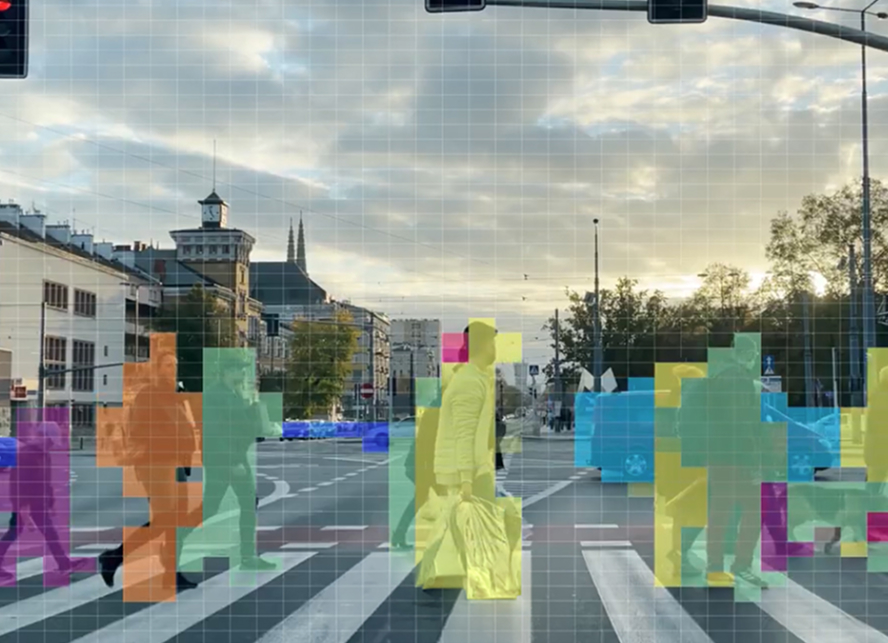
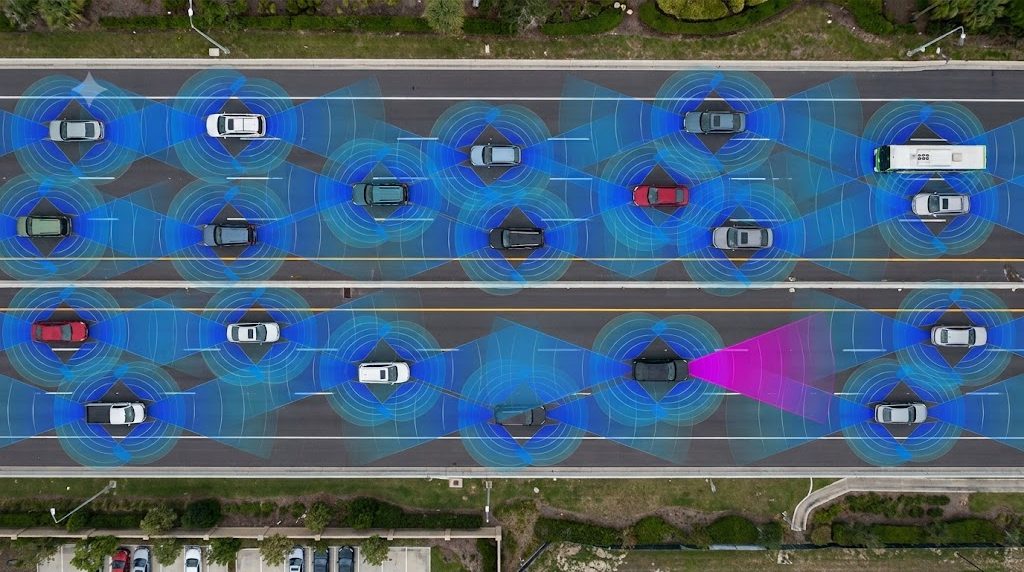
Its 4D imaging radar delivers 100 times more detail than conventional radar systems. Using 2,304 virtual channels, the system generates more than thousands of detections per frame with 0.7° azimuth resolution. That level of fidelity allows autonomous systems to precisely localize pedestrians, vehicles, debris, and obstacles across a 120° × 30° field of view extending to 300 meters.
But high resolution alone is not enough. Physical AI depends on sensors that remain reliable when conditions deteriorate.
Arbe’s radar operates consistently in darkness, blinding sunlight, rain, fog, dust, smoke, and snow. When cameras lose visibility and LiDAR performance degrades, the radar continues delivering accurate environmental data, giving AI systems a stable perception layer in conditions where reliability matters most.
The system also solves several operational challenges that limit physical AI deployment today:
Instantaneous Velocity Tracking
Every detection includes direct Doppler velocity measurement, allowing the system to understand motion immediately instead of inferring it across multiple frames. With high velocity resolution, the radar can also help the world model estimate intent and predict the actions of other moving agents. That improves collision prediction and real-time path planning.
High Data Fidelity
Near-zero false alarms reduce phantom detections and unnecessary interventions, allowing autonomy stacks to operate with greater confidence and stability.
Mechanical Durability
The hardware contains no moving parts and requires no routine cleaning or field maintenance. It is designed for long-term deployment across vehicles, robots, and industrial systems operating continuously in the field and other challenging environments.
Extended Perception Capabilities
Arbe’s radar can detect micro-movements and identify objects through certain materials, enabling sensing capabilities beyond normal human perception. In short-range mode, it can detect vital signs such as heart rate via subtle chest movement. The same sensor can also adapt between indoor and outdoor environments without needed hardware or lens changes, making it well suited for physical AI systems that move across settings.
While controlled environments like factories and warehouses are technically easier to manage, autonomous vehicles are expected to drive the first large-scale wave of Physical AI deployment. Robotaxis, highway autonomy, and autonomous trucking are already accelerating demand for perception systems capable of operating safely in complex real-world environments.
AI software is advancing quickly through world models, simulation, and digital twins. But deploying autonomy safely in the physical world remains far harder. The challenge now is turning perception performance into perception trust.
Arbe’s radar already supports physical AI applications across automotive, industrial robotics, defense, marine, and off-road sectors. Integrated into the NVIDIA DRIVE Hyperion platform, it provides the all-weather perception foundation autonomous systems depend on in real-world conditions.
The software and algorithmic challenges of digital intelligence are largely solved. The next frontier is perception. Physical AI cannot achieve safe, scalable deployment unless its sensors deliver the fidelity and robustness that the real world demands. Arbe provides the high-resolution radar technology required to make autonomous machines practical, safe, and reliable.
Connect to learn more