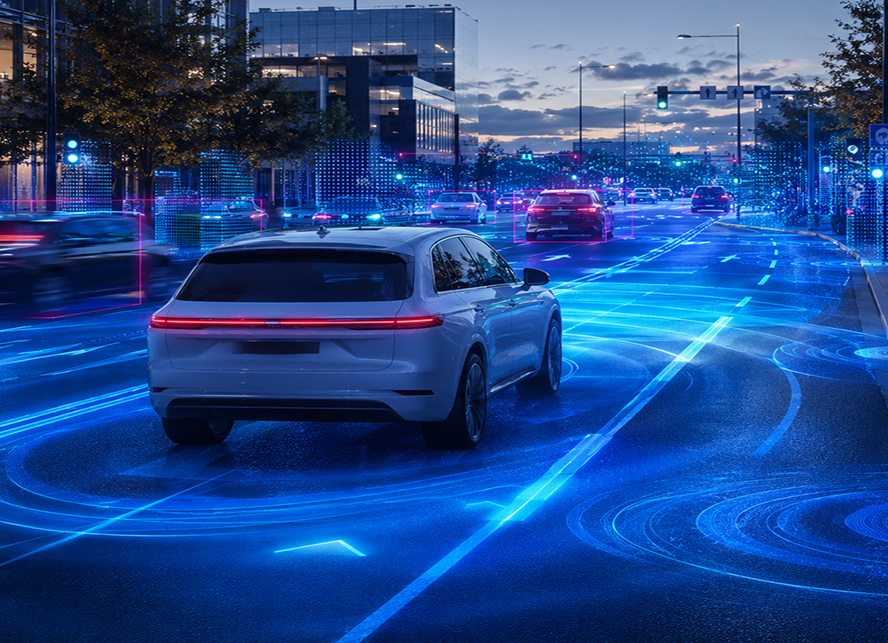
Despite how challenging autonomous vehicles are, the surprising reality is that autonomous road vehicles still have it relatively easy, or at least operate in a more predictable world. They have defined lanes, mapped infrastructure, and mostly paved surfaces. Off-highway machinery in mining, construction, agriculture, and defense operates in a perception nightmare.
Thanks to both the weather and the work of the machines themselves, dust, mud, vibration, and total darkness are the standard operating environment. When a sensor fails because of a bit of glare or a cloud of dust, the machine stops. When the machine stops, ROI disappears.
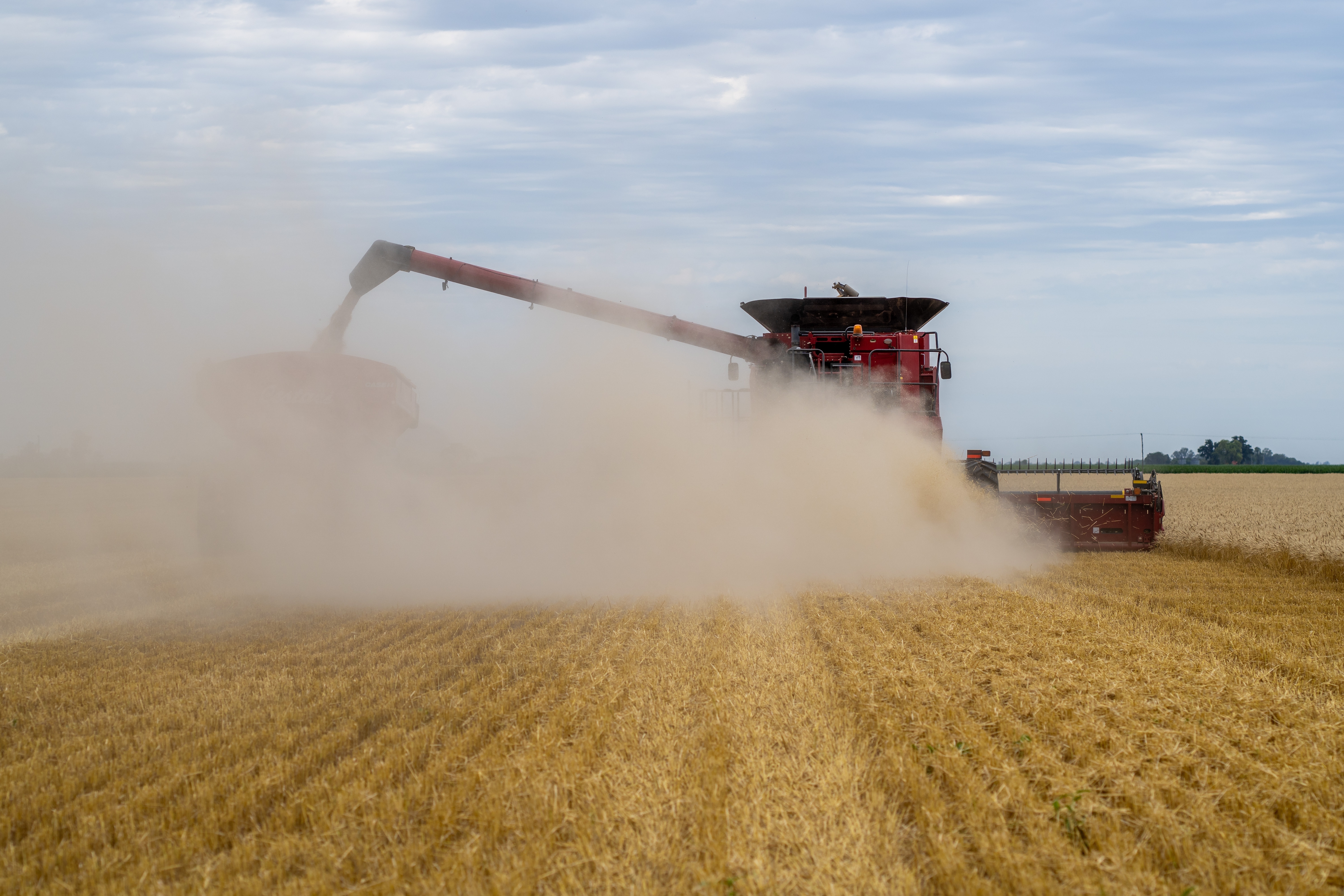
Ultra-HD radar solves this by moving beyond simple detection, identifying distinct objects rather than just sensing a vague, undifferentiated shape or an undefined obstacle. It provides a detailed point-cloud output with the density required to map uneven terrain and 3D free space in real time, delivering the motion sensitivity that helps a machine navigate mud, puddles, steep slopes and vegetation without unnecessary braking.
Fine Doppler resolution distinguishes between a stationary post and a worker walking nearby. High channel count coupled with a well sampled antenna array enables the separation of objects across complex, crowded scenes. Integrated short-range, mid-range, and long-range sensing covers the full operational envelope, from the immediate work zone to the broader environment beyond it. Robust RF at 76-81Ghz range sees through airborne particulates, dust, snow, heavy rain that blind cameras and LiDAR, and high dynamic range enables the system to spot small obstacles positioned next to high reflective metal surfaces or other heavy machinery.
What makes ultra-HD radar a force multiplier is its versatility. It can anchor the entire perception pipeline, providing robust data for ego motion, object hypotheses, tracking, and self localization. Rather than competing with other sensors, it acts as a second “source of truth,” complementing camera-based and GNSS/IMU systems when vision or satellite signals are impaired. The result is a robust, fused data set for free space understanding, moving object classification. This allows for accurate self-position estimation even at zero visibility and GPS-denied conditions.
In heavy industry, uptime is the difference between a profitable quarter and a loss.
Solid-state architecture means zero moving parts, eliminating vulnerability to the constant jarring and vibration of a working machine. Unlike lenses that require regular cleaning or heaters to manage condensation, radar is largely indifferent to surface grime. And with strong angle separation, it supports high-confidence near-field perception in the immediate vicinity of the machine, where human-machine interaction carries the highest risk.
The ROI of off-highway autonomy won’t be measured by how a machine performs on a clear day in a demo yard. It will be measured by its ability to run 24/7 with maximum uptime through every condition. Ultra-HD radar provides the environmental understanding and robustness necessary to move autonomy from a pilot project to a reliable site asset.
Connect to learn more