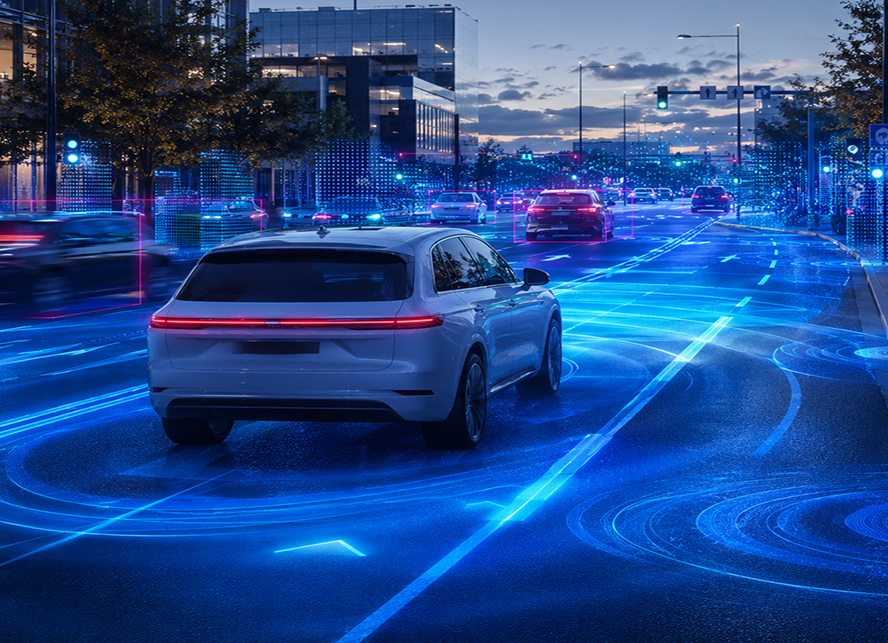
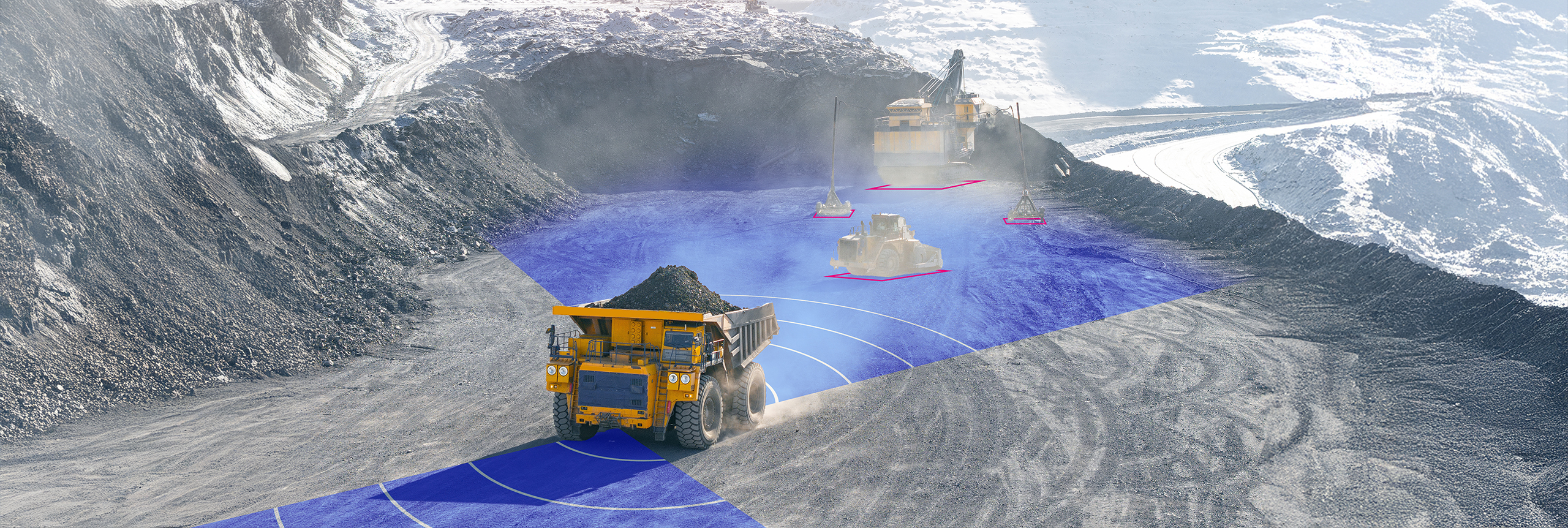
Level 3 Autonomy: The Perception Challenge
– Level 3 autonomy enables “eyes-off” conditional control on highways, but current systems are limited to 60 km/h due to sensor range and resolution constraints
– True highway autonomy requires 130 km/h operation with 300-meter obstacle detection capability; conventional radar only detects small objects up to 80 meters, providing insufficient reaction time
– Arbe’s ultra-HD radar delivers detection from short range to over 300 meters with 2,304-channel architecture (48 transmit x 48 receive) and sub-1-degree resolution for precise object detection and classification at highway speeds
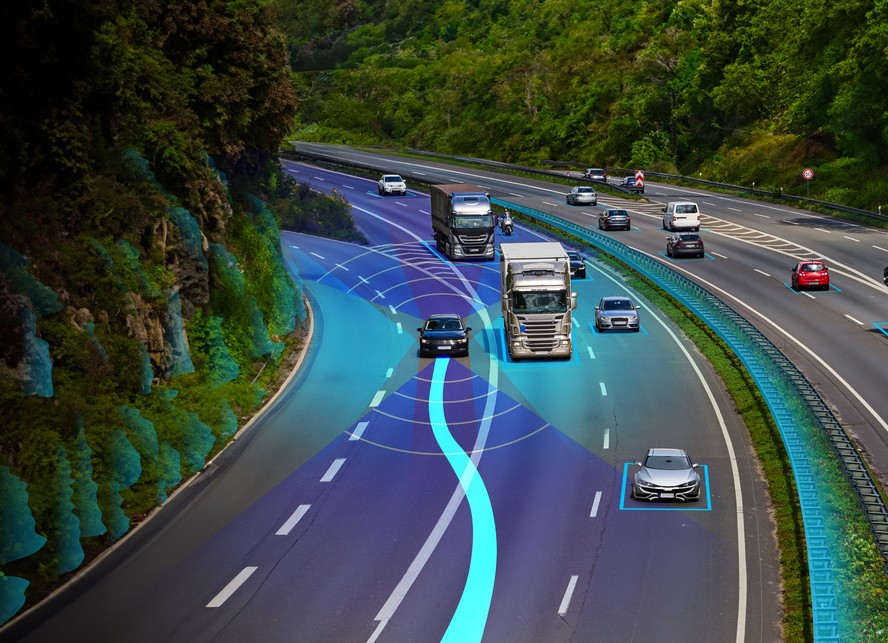
– High dynamic range and ultra-high resolution enable detection of closely-spaced objects, partially obscured targets, and reliable separation of hazards from static infrastructure like guardrails
– All-weather reliability makes high-resolution radar the primary sensor backbone for Level 3 systems, maintaining consistent performance when cameras and LiDAR fail in rain, fog, darkness, and snow
– Superior object classification reduces false positives and unnecessary takeover requests, building driver trust while enabling automakers to bridge from 60 km/h traffic assistance to 130 km/h highway-speed autonomy
Level 3 Autonomy: The Perception Challenge
– Level 3 autonomy enables “eyes-off” conditional control on highways, but current systems are limited to 60 km/h due to sensor range and resolution constraints
– True highway autonomy requires 130 km/h operation with 300-meter obstacle detection capability; conventional radar only detects small objects up to 80 meters, providing insufficient reaction time
– Arbe’s ultra-HD radar delivers detection from short range to over 300 meters with 2,304-channel architecture (48 transmit x 48 receive) and sub-1-degree resolution for precise object detection and classification at highway speeds
– High dynamic range and ultra-high resolution enable detection of closely-spaced objects, partially obscured targets, and reliable separation of hazards from static infrastructure like guardrails
– All-weather reliability makes high-resolution radar the primary sensor backbone for Level 3 systems, maintaining consistent performance when cameras and LiDAR fail in rain, fog, darkness, and snow
– Superior object classification reduces false positives and unnecessary takeover requests, building driver trust while enabling automakers to bridge from 60 km/h traffic assistance to 130 km/h highway-speed autonomy
Eyes off driving is no longer a long term vision; it is becoming reality. After years of testing, refinement, and limited deployments, Level 3 autonomy is finally moving from prototype to production. Automakers have proven that vehicles can take control, but achieving the kind of confidence that allows a driver to truly take their eyes off the road in a wide selection of scenarios still depends on one thing: perception.
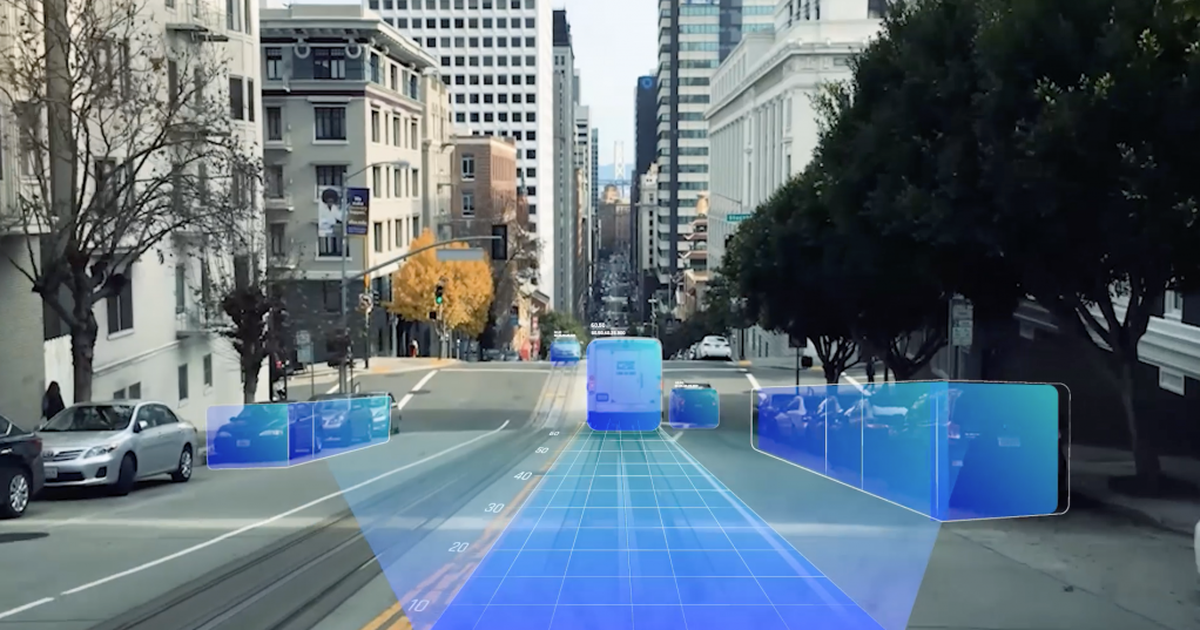
That is why attention across the industry is turning to high-resolution radar. Cameras and LiDAR provide rich detail, yet both rely on visibility and line of sight. Radar works differently. It measures range and velocity precisely, penetrates rain, fog, and darkness, and maintains consistent performance when conditions change. Most importantly, its extended range gives autonomous systems the time and distance they need to react, and that time is what ultimately determines how fast a vehicle can travel safely.
For manufacturers preparing to assume legal responsibility when the system is active, that combination of consistency and reach is what turns advanced assistance into genuine autonomy.
The promise of Level 3 autonomy is simple but profound. It is the point where a vehicle can be considered “eyes-off”: it can handle the driving itself, actually taking control within defined conditions.
At this level, the system can steer, accelerate, and brake on its own during highway travel or in slow-moving traffic. The driver no longer has to monitor every moment but must stay ready to take over when prompted. This concept, known as “conditional control,” allows for limited secondary activities such as messaging or watching a video, though not complete disengagement.
Level 3 represents a balance between trust and oversight, a deepening of the partnership between human and machine. It is the bridge between today’s driver-assist systems and tomorrow’s fully autonomous vehicles.
With conditional control comes a new kind of accountability. When the system is active, responsibility shifts from the driver to the automaker. To assume this liability, automakers need sensors they can certify with confidence across all operating conditions to deliver proven, repeatable performance that regulators will approve.
Mercedes-Benz was first to certify its DRIVE PILOT system for highway use in Germany and is now expanding into the United States. BMW’s Personal Pilot L3 provides similar functionality on select German roads, while Honda’s Legend became the world’s first certified L3 vehicle in Japan. Stellantis has developed STLA AutoDrive 1.0 for both European and US markets. In China, Zeekr and Xpeng plan to introduce L3-ready models in 2025, marking the technology’s rapid spread beyond Europe’s luxury segment.
Yet despite this momentum, with the exception of Mercedes who launched a service for 95 km/h, these systems share a common constraint: they operate at up to 60 km/h; the majority of OEMs cap their L3 systems at this speed. This limitation exists across manufacturers because current sensing technology cannot provide the range and resolution needed for true highway autonomy.
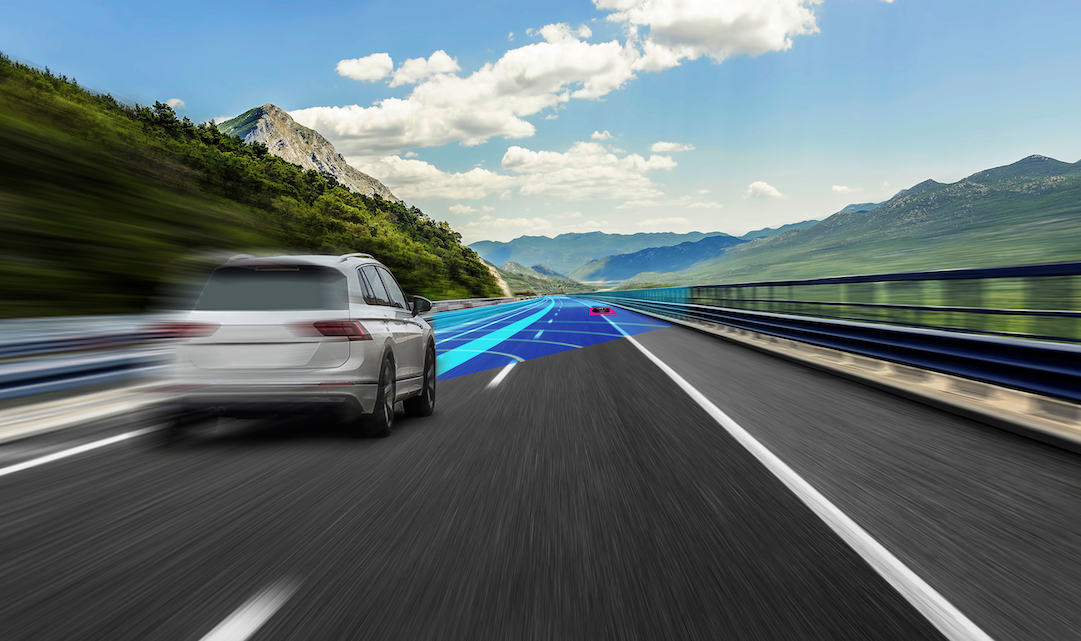
For Level 3 to be genuinely effective, vehicles should be able to operate safely at 130 km/h (80 mph), which is the normal highway speed on the German Autobahn. The gap between 60 km/h traffic jam assistance and 130 km/h highway autonomy represents the industry’s fundamental challenge.
The math reveals why. A vehicle traveling at 130 km/h covers 36 meters every second. Industry experts agree that safe autonomous operation at this speed requires detecting and classifying obstacles at 300 meters, giving the system enough time to brake gradually or change lanes smoothly without causing disruption to surrounding traffic. Conventional automotive radar, by contrast, can detect smaller objects such as pedestrians only up to around 80 meters – providing just 2 to 3 seconds of reaction time at highway speeds. Moreover, due to its limited resolution and low dynamic range conventional radar cannot separate a person or lost cargo from a guardrail. These limitations make it unsuitable for the reliable, long-range perception demanded by Level 3 autonomy.
Arbe’s ultra-HD Radar for perception exceeds the 300-meter detection requirement while delivering the resolution needed to interpret complex highway scenarios. Arbe’s massive 2,304-channel array (48 receive x 48 transmit) surpasses conventional 12×16 radar, providing long-range detection with unmatched detail and clarity.
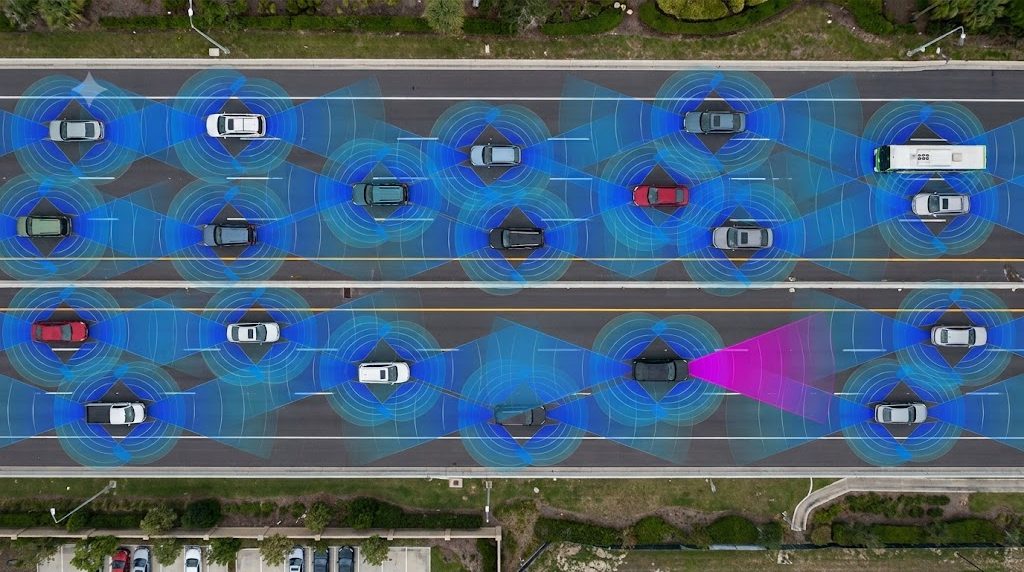
This architecture enables Arbe’s radar to measure distance and relative velocity with exceptional accuracy while resolving fine horizontal and vertical detail. Arbe can distinguish between closely-spaced objects, track multiple vehicles across lanes, and detect subtle cut-in maneuvers.
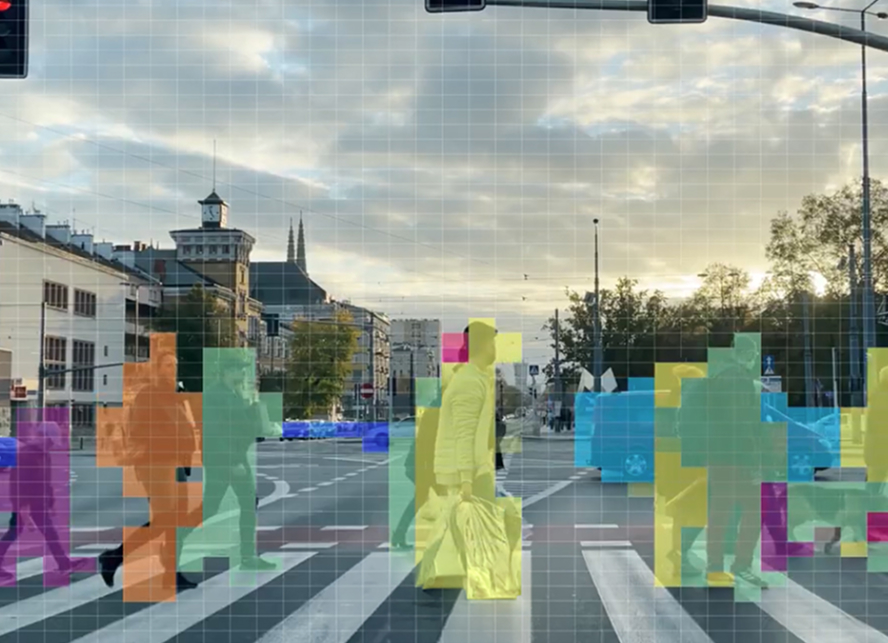
Consider real-world scenarios: a tire lying next to a guardrail at highway speed, or a child standing beside a large bus. In the first case, both objects appear similar to basic radar and must be distinguished instantly. In the second, the bus’s strong reflection can mask smaller objects nearby. Arbe’s high dynamic range and ultra-high resolution allow the system to recognize that a guardrail is safe to pass, identify a loose tire beside it in the vehicle’s lane that demands an immediate lane change, and detect a child even when partially obscured. And it does it even while traveling at highway speed. This is something neither cameras nor conventional radar, which has low dynamic range, can accomplish reliably.
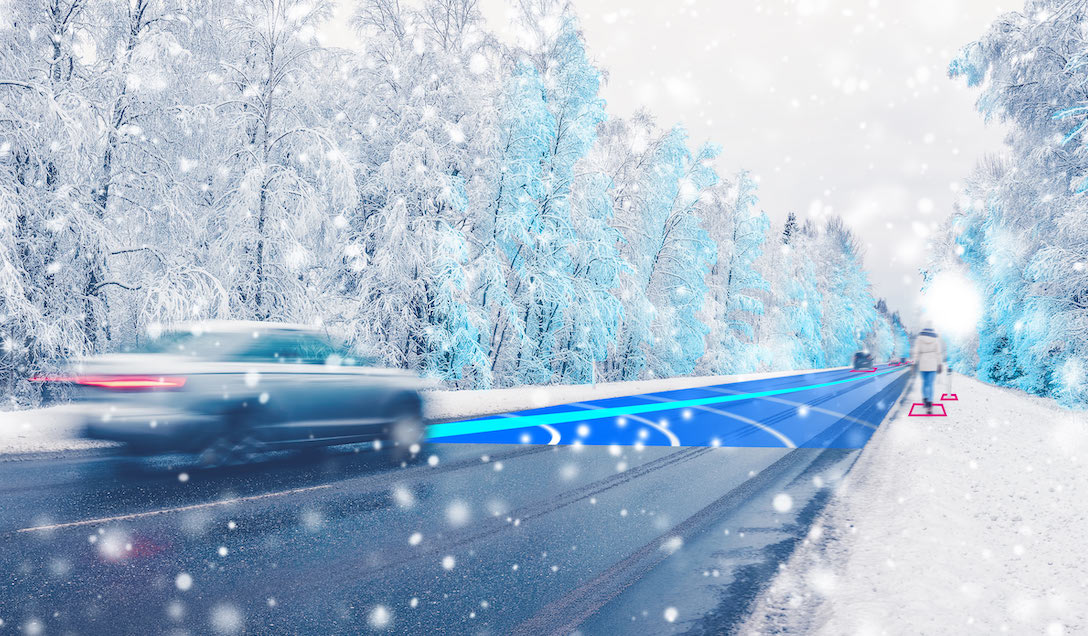
Level 3 systems employ sensor fusion, combining radar, cameras, and sometimes LiDAR, but require a robust backbone to maintain safety in all conditions. Arbe’s high-resolution radar provides that foundation for the entire perception stack. Cameras and LiDAR augment the system when visibility allows, but radar’s all-weather reliability makes it the primary sensor for safety-critical detection. This becomes crucial in the conditions where cameras fail: heavy rain, fog, darkness, blinding sunlight, and snow. High-resolution radar is the only sensor that maintains performance across all weather and lighting conditions.
By reducing false positives through superior object classification, Arbe minimizes unnecessary takeover requests, keeping the system in autonomous mode longer and building driver trust. This is critical: consumers forgive human errors far more readily than machine errors, especially from systems marketed as superior to human drivers. Every false alarm or misclassification erodes confidence. For automakers, Arbe’s consistent accuracy translates directly to easier validation, faster certification, and vehicles that can operate at true highway speeds.
Level 3 autonomy is transforming the race among automakers. Success is no longer measured by horsepower or range, but by who can deliver automation that is safe, validated, and accountable. The barrier between today’s 60 km/h urban-speed autonomy and tomorrow’s 130 km/h highway-speed autonomy comes down to long-range perception in every condition.
As the industry advances toward higher levels of automation, one principle remains constant: safety must be proven, not assumed. With ultra-high-definition radar perception, Arbe helps automakers bridge the gap from conditional capability to confident, high-speed deployment, ensuring that eyes-off driving remains fully aware of the world ahead.
Discover how Arbe’s radar’s >300 meter range, 2,304-channel architecture, and sub-1-degree resolution solve the perception challenges holding back L3 deployment.