Extending the Safety Horizon: Where Every Second Counts
– At highway speeds of 120 km/h, vehicles travel over 30 meters per second, requiring sensors that detect lost cargo at 150-200+ meters, pedestrians at 200-300 meters, and traffic jams at 300 meters to enable comfortable braking and early lane changes rather than emergency maneuvers
– Cameras struggle in rain, fog, and darkness with limited range; LiDAR is limited by weather and range; conventional radar lacks resolution to separate closely positioned obstacles like a tire from an adjacent guardrail, creating critical detection gaps at highway speeds
– Arbe’s ultra-high-resolution perception radar detects and separates objects from short range to over 300 meters while maintaining consistent performance in rain, snow, fog, darkness, and challenging environments like tunnels, providing the complete range spectrum needed for safe, comfortable highway autonomy
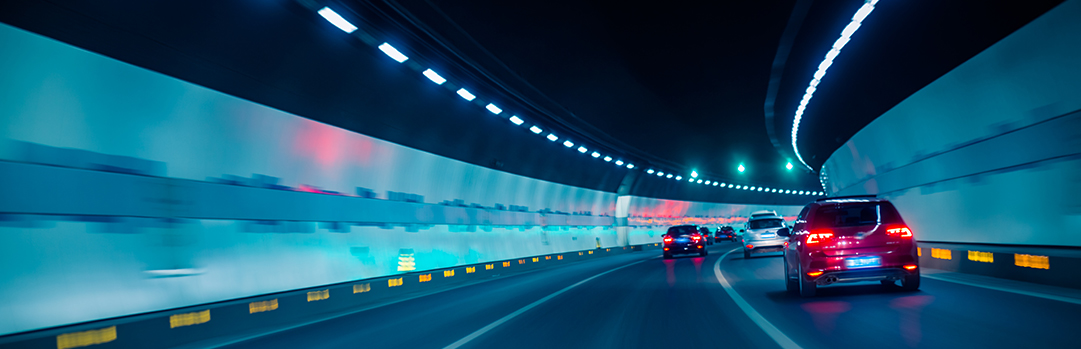
– High-resolution radar enables critical highway capabilities including free space mapping for path planning, precise object-level tracking for safe lane changes and merging, early hazard detection for human-like driving behavior, and reliable tunnel operation where optical systems struggle and conventional radar generates false alarms
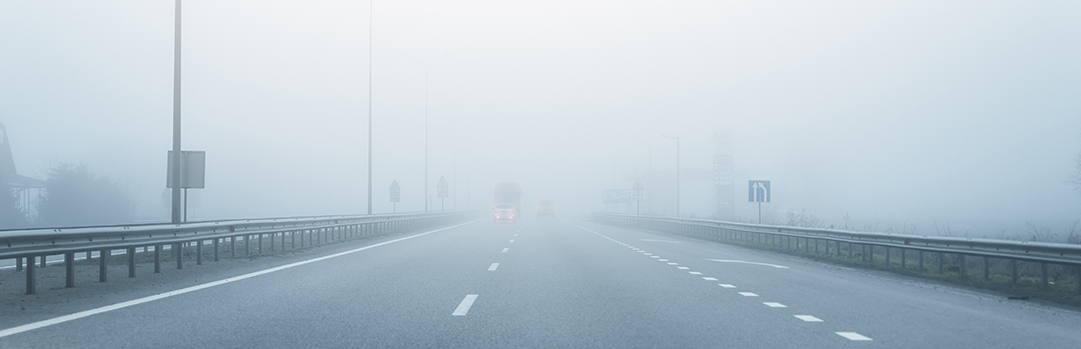
– Perception radar’s immunity to weather variability ensures safety features like lane keeping and emergency braking maintain ultra-high resolution consistently across weather transitions, operating with full confidence when cameras and LiDAR may deactivate features during the most dangerous driving conditions
– High-resolution perception radar repositions radar from backup sensor to essential perception tool and primary enabler of reliable highway-grade autonomy, allowing vehicles to see farther, react sooner, and navigate more intelligently in all real-world conditions
Extending the Safety Horizon: Where Every Second Counts
– At highway speeds of 120 km/h, vehicles travel over 30 meters per second, requiring sensors that detect lost cargo at 150-200+ meters, pedestrians at 200-300 meters, and traffic jams at 300 meters to enable comfortable braking and early lane changes rather than emergency maneuvers
– Cameras struggle in rain, fog, and darkness with limited range; LiDAR is limited by weather and range; conventional radar lacks resolution to separate closely positioned obstacles like a tire from an adjacent guardrail, creating critical detection gaps at highway speeds
– Arbe’s ultra-high-resolution perception radar detects and separates objects from short range to over 300 meters while maintaining consistent performance in rain, snow, fog, darkness, and challenging environments like tunnels, providing the complete range spectrum needed for safe, comfortable highway autonomy
– High-resolution radar enables critical highway capabilities including free space mapping for path planning, precise object-level tracking for safe lane changes and merging, early hazard detection for human-like driving behavior, and reliable tunnel operation where optical systems struggle and conventional radar generates false alarms
– Perception radar’s immunity to weather variability ensures safety features like lane keeping and emergency braking maintain ultra-high resolution consistently across weather transitions, operating with full confidence when cameras and LiDAR may deactivate features during the most dangerous driving conditions
– High-resolution perception radar repositions radar from backup sensor to essential perception tool and primary enabler of reliable highway-grade autonomy, allowing vehicles to see farther, react sooner, and navigate more intelligently in all real-world conditions
Ever noticed how highway driving demands a different level of attention? When you’re traveling at 120 km/h (75 mph), you cover more than 30 meters every second. That doesn’t leave much room for error.
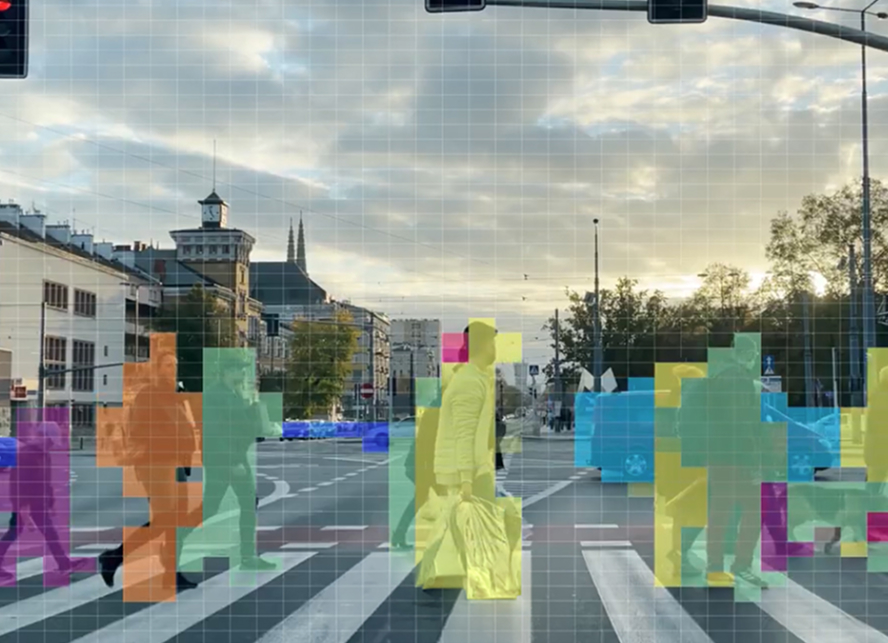
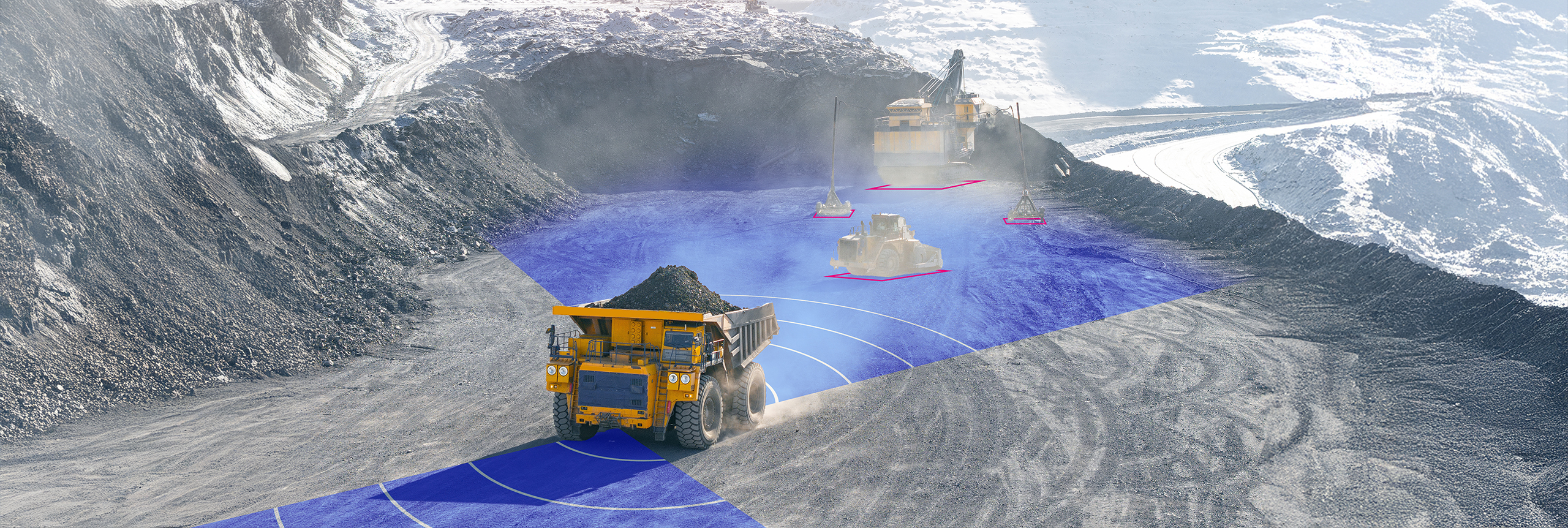
For autonomous vehicles and advanced driver assistance systems (ADAS), this challenge is even greater. They need to detect obstacles, plan maneuvers, and make decisions in split seconds while still keeping drivers and passengers safe and comfortable. Real-world conditions complicate matters further: low visibility from rain or fog, complex edge cases like partially obscured vehicles, and operational constraints in environments like tunnels.
To operate safely at highway speeds, these systems need perception technology that delivers both exceptional range and high resolution in all conditions – no exceptions.
The Detection Gaps in Today’s Sensing Technology
The problem? Other sensors, while they offer many advantages, also each have their limitations:
These limitations become critical on highways where split-second decisions matter most.
Perception Radar: Breakthrough for Autonomous Vehicles
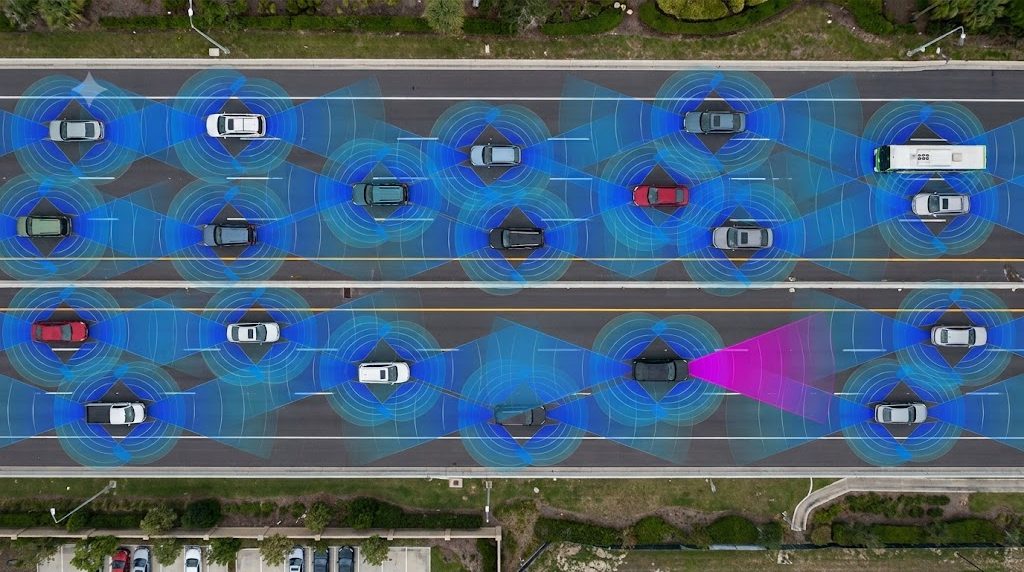
Arbe is leading a radar revolution with ultra-high-resolution 4D imaging radar technology specifically designed to overcome conventional radar and optical sensor limitations. Perception Radar can:
This represents a transformative leap from traditional radar, delivering superior resolution and object separation capabilities that truly complement optical sensors like cameras and lidar.
The 300-Meter Advantage: Why Extended Range Saves Lives
Think about it: At highway speeds, emergency braking requires nearly 100 meters, but comfortable braking – human-like braking – begins closer to 300m from the hazard. Sudden stops are uncomfortable, frightening, and can even be dangerous.
With longer detection ranges, vehicles gain options:
The ideal system needs to spot:
While lidar, cameras, and traditional radars play important roles, given their limitations they risk detecting hazards only when emergency maneuvers are already necessary—or worse, too late to prevent a collision.
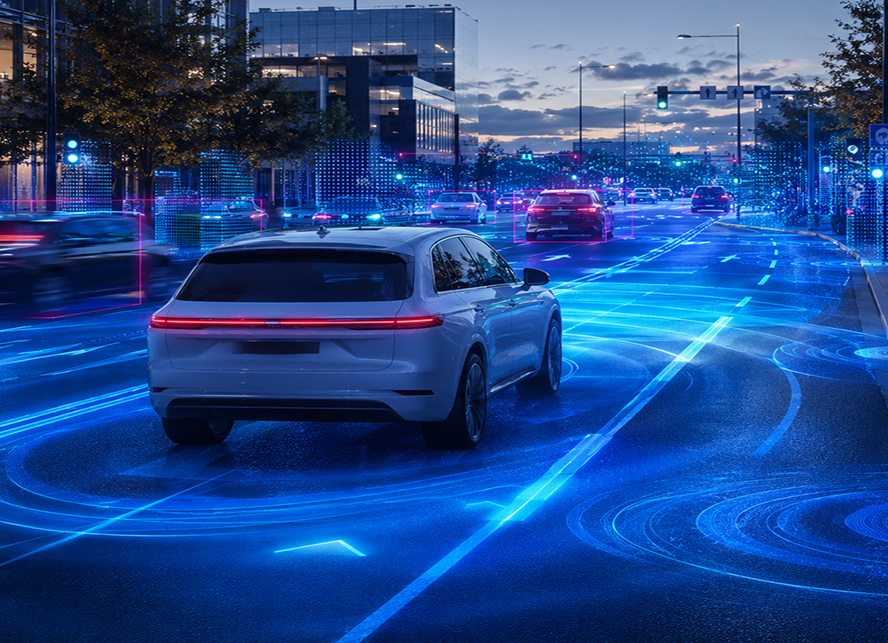
Arbe’s Perception Radar bridges this critical gap by providing high-resolution environmental mapping at high speeds and long ranges, regardless of external conditions.
Rain or Shine: The All-Weather Confidence of Perception Radar
In places like Germany, with over 160 rainy days annually, weather changes can be sudden and unpredictable. A vehicle might experience clear skies, heavy rain, and patchy fog—all in a single journey.
These transitions create critical moments where other sensors falter, potentially deactivating driver assistance features when they’re needed most. The most dangerous driving conditions often coincide with the worst sensor performance.
Arbe’s Perception Radar ensures that essential safety features maintain ultra-high resolution consistently across these weather transitions. Its immunity to environmental variability makes it not just a backup sensor, but a primary enabler of reliable highway-grade perception. This allows key features like lane keeping, and emergency braking to operate with full confidence and continuity, even when visibility is severely compromised.
Perception Radar Solving Real Highway Challenges
This technology enables critical capabilities for highway driving:
Paving the Way to Trusted Autonomy
To make autonomous driving truly safe and scalable, we need sensors that work in all conditions, all the time. High-resolution Perception Radar repositions radar from backup sensor to essential perception tool, enabling not just autonomy, but autonomy you can trust.
For ADAS and AV systems to scale safely on highways, the industry must move beyond traditional sensor stacks. Arbe’s high-resolution 4D imaging radar allows vehicles to see farther, react sooner, and navigate more intelligently, even in the most demanding real-world conditions.