AI or Advanced Sensors for Safer Robotaxis?
– Tesla pursues vision-only AI while Waymo and Baidu use sensor suites combining radar, LiDAR, and cameras; the debate centers on balancing scalability, technological advancement, and safety, but the real question is harnessing both AI and sensors while maintaining commercial viability
– Vision-only systems face serious limitations: cameras struggle in poor visibility conditions including rain, fog, and snow, have significantly limited range compared to radar, and face challenges accurately determining distance and depth, compromising robustness in real-world driving scenarios
– Radar provides all-weather detection in precipitation and low visibility, longer range for spotting distant obstacles crucial for highway speeds, real-time depth perception without calculation latency, and Doppler capability for direct velocity measurement essential for predicting trajectories and collisions that cameras must estimate through image analysis
– AI cannot overcome limitations of faulty or inadequate sensor information; even advanced AI needs reliable inputs from high-definition radar, LiDAR, and cameras to provide detailed environmental understanding that enables safer, more informed decisions in demanding urban environments requiring instant reactions
– Expensive sensing platforms work for small fleets but mass-market deployment requires affordable sensors; the lack of cost-effective technologies drives companies to use fewer sensors potentially compromising safety, with overall costs determining whether autonomous technology can compete commercially
– Arbe’s perception radar delivers ultra-high-resolution imaging at affordable prices, detects small objects like lost cargo at long ranges, and provides the first radar-based free space mapping that allows AI to determine safe navigation paths, offering the optimal performance-cost solution for mass-market autonomous deployment
AI or Advanced Sensors for Safer Robotaxis?
– Tesla pursues vision-only AI while Waymo and Baidu use sensor suites combining radar, LiDAR, and cameras; the debate centers on balancing scalability, technological advancement, and safety, but the real question is harnessing both AI and sensors while maintaining commercial viability
– Vision-only systems face serious limitations: cameras struggle in poor visibility conditions including rain, fog, and snow, have significantly limited range compared to radar, and face challenges accurately determining distance and depth, compromising robustness in real-world driving scenarios
– Radar provides all-weather detection in precipitation and low visibility, longer range for spotting distant obstacles crucial for highway speeds, real-time depth perception without calculation latency, and Doppler capability for direct velocity measurement essential for predicting trajectories and collisions that cameras must estimate through image analysis
– AI cannot overcome limitations of faulty or inadequate sensor information; even advanced AI needs reliable inputs from high-definition radar, LiDAR, and cameras to provide detailed environmental understanding that enables safer, more informed decisions in demanding urban environments requiring instant reactions
– Expensive sensing platforms work for small fleets but mass-market deployment requires affordable sensors; the lack of cost-effective technologies drives companies to use fewer sensors potentially compromising safety, with overall costs determining whether autonomous technology can compete commercially
– Arbe’s perception radar delivers ultra-high-resolution imaging at affordable prices, detects small objects like lost cargo at long ranges, and provides the first radar-based free space mapping that allows AI to determine safe navigation paths, offering the optimal performance-cost solution for mass-market autonomous deployment
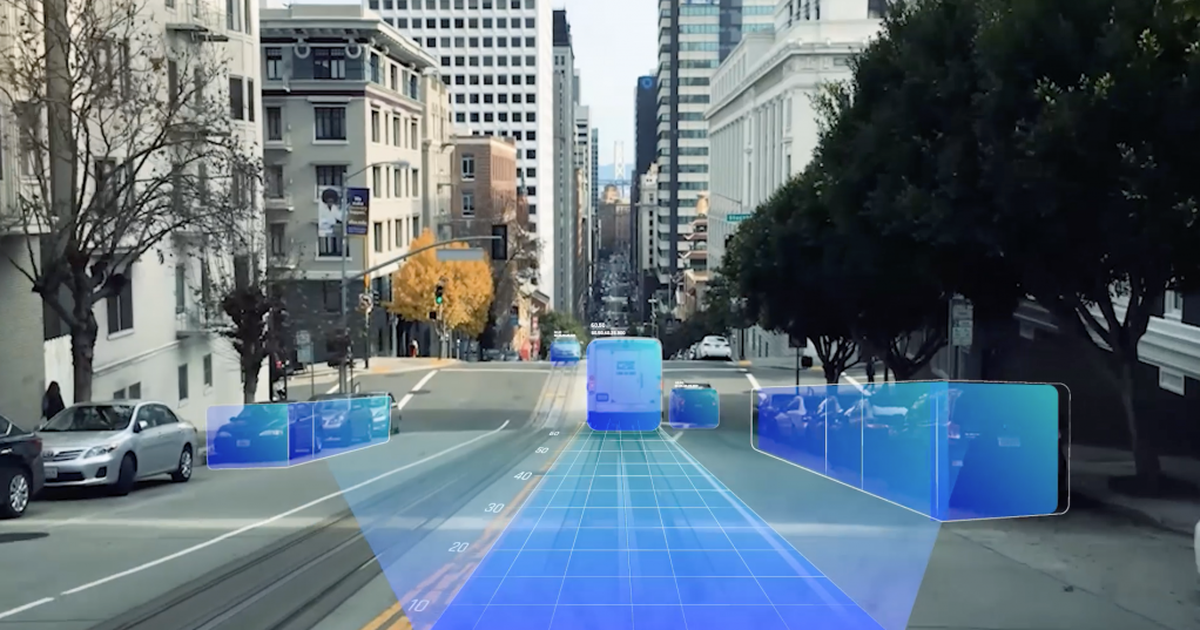
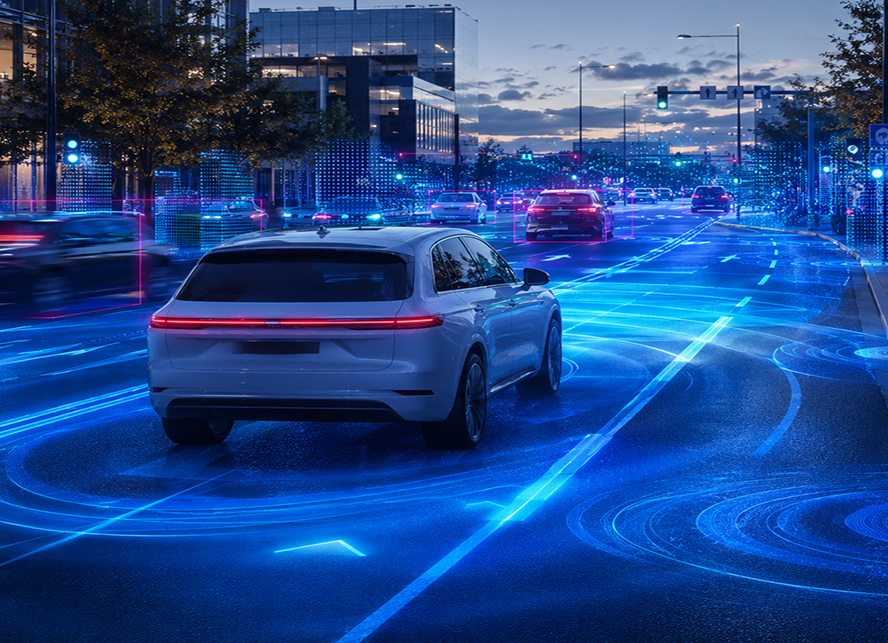
The race to develop fully autonomous robotaxis – purpose-built autonomous vehicles for hire – is heating up, but the leading tech companies vying for first place disagree about the best path to the finish line. Tesla is banking on a purely vision-based AI system, while Waymo and Baidu are betting on a combination of sensors, including radar, LiDAR, and cameras to power their perception. This fundamental difference raises questions about the balance between scalability, technological advancement, and safety. The real question for the future of autonomous robotaxis, however, lies not in choosing between top-notch sensors and AI but in harnessing the full potential of both while maintaining commercial viability.
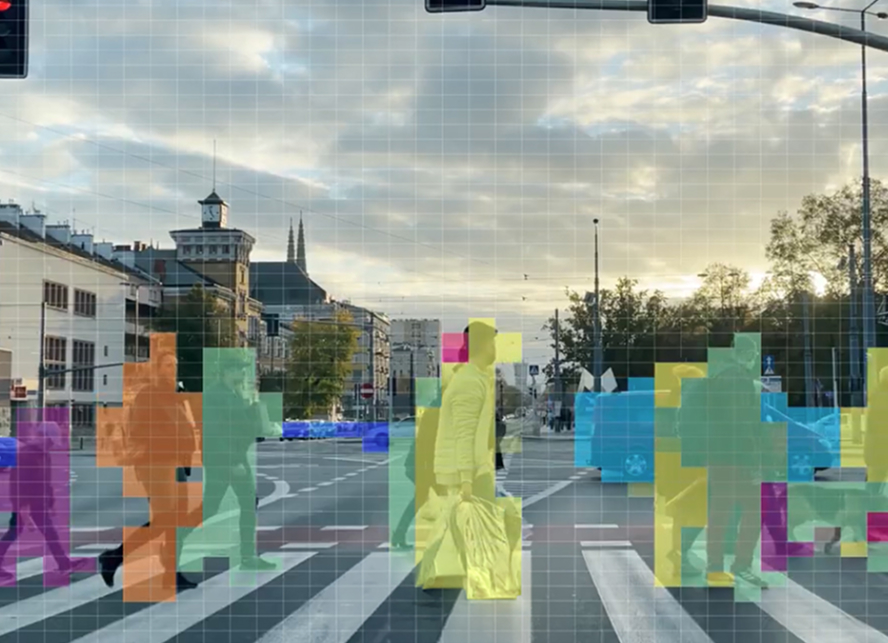
Tesla’s vision-only strategy is driven by the belief that advanced AI, coupled with vast amounts of training data, can effectively navigate complex driving environments without relying heavily on additional sensors. This approach offers potential scalability and real-time adaptability, which are crucial for commercialization. However, relying solely on cameras may limit the system’s robustness in challenging conditions.
Indeed, while AI is powerful, vision-only systems have serious limitations:
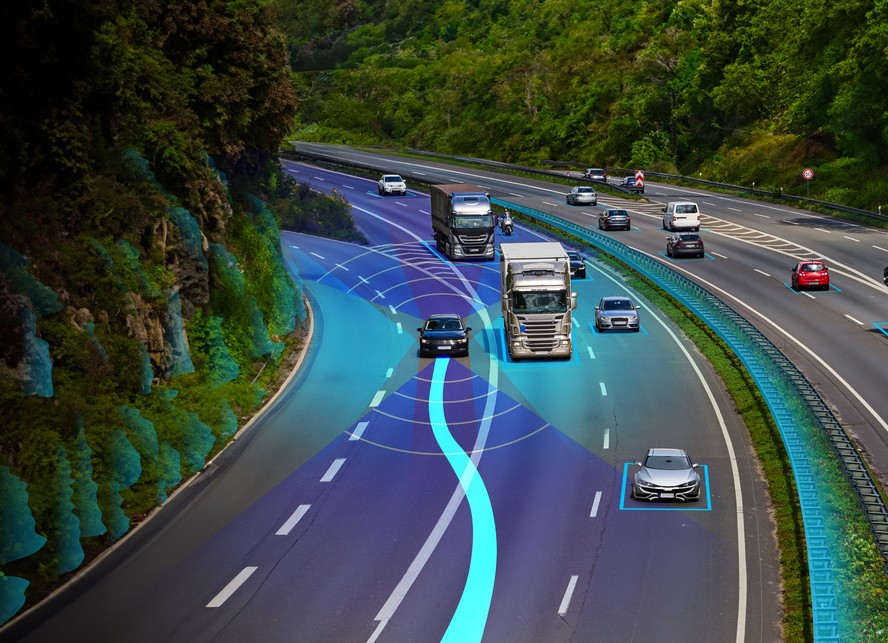
Waymo and Baidu’s sensor-heavy approach, on the other hand, acknowledges the need for a more comprehensive understanding of the driving environment. Radar, LiDAR, and cameras each provide different kinds of information, complementing one another and enhancing the system’s ability to detect objects, assess distances, and navigate various weather conditions. While this approach may be more complex and expensive, it undoubtedly offers greater safety and reliability. This “sensor suite” approach builds on the logic that a diverse set of sensors will provide more reliable information to help AI make smarter, safer, swifter decisions.
In demanding cityscapes, robotaxis need to react instantly, relying on accurate and reliable sensor data. AI augments sensor data to make sophisticated decisions, processing vast amounts of information input from the sensors available to it. Ultimately, then, even the most advanced AI cannot overcome the limitations of faulty or inadequate sensor information. Without reliable inputs from multiple sources like high-definition radar, LiDAR, and cameras, AI will miss important details – it can’t analyze information it doesn’t have. A complete set of sensors enhances AI’s capabilities by providing a detailed, up-to-date picture of the surroundings, allowing for safer and more informed decisions.
Adding additional sensing technologies helps address key challenges:
Of course, while a sophisticated blend of sensor inputs ensures safety, the higher cost is an obstacle that must be overcome. Expensive sensing platforms are acceptable when only operating a smaller fleet of vehicles, but as companies move toward offering widespread, real-world services, the sensors must be affordable at mass market pricing. The lack of relevant, cost-effective technologies drives companies to rely on fewer sensors, and potentially compromise on safety. In the end, overall costs will play a major determining factor behind whether the technology can compete in the market.
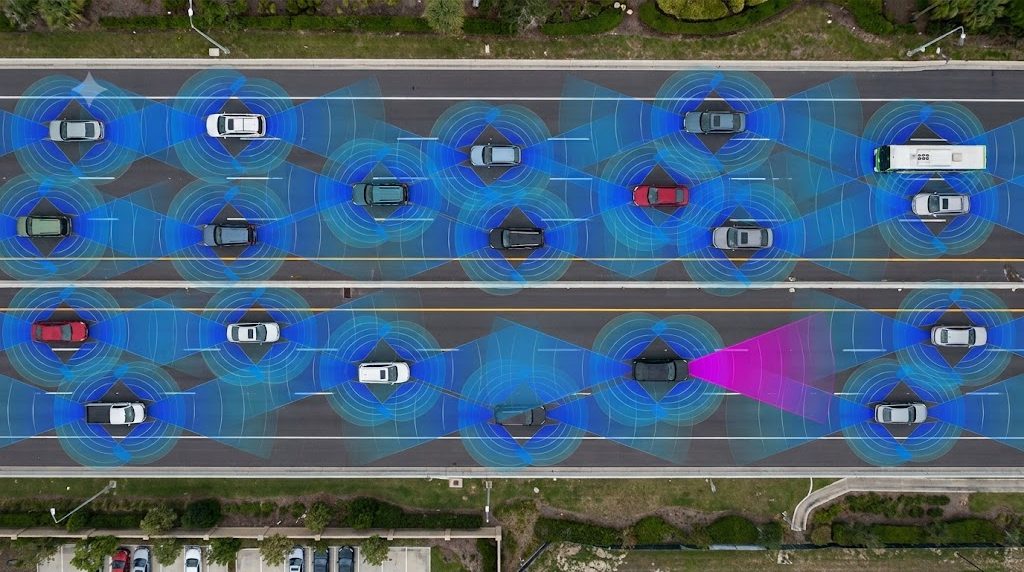
High-performance sensors like radar are essential for autonomous driving, offering all-weather reliability, long-range detection, and more accurate depth perception. Advanced radar, like Arbe’s, can detect small objects at long ranges, such as lost cargo, that other systems might miss—an essential feature for real-world driving scenarios. Arbe’s perception radar delivers ultra-high-resolution imaging capable of detecting and mapping objects, pedestrians, and road obstacles, even in challenging conditions. This represents the first radar-based technology that allows AI systems to determine where the vehicle can safely move, offering a detailed, real-time environmental map and free space mapping. Importantly, it provides high performance at an affordable price, making it the most attractive sensor to be added to cameras and the optimal performance-cost solution.
The future of robotaxis – and on autonomous driving in general – hinges on a delicate balance between cutting-edge AI and advanced sensor suites. While AI provides the intelligence, sensors offer the eyes and ears necessary for safe navigation. By combining these technologies, we can create autonomous vehicles that are not only capable but also reliable and trustworthy. Arbe is leading the way in developing affordable, high-performance radar solutions that can help bridge the gap between technological advancements and commercial viability. As the industry continues to evolve, it’s clear that a collaborative approach, focusing on both AI and sensors, is essential for building a safer and more sustainable transportation future.
————————————
This blog contains “forward-looking statements” within the meaning of the Securities Act of 1933 and the Securities Exchange Act of 1934, both as amended by the Private Securities Litigation Reform Act of 1995. The words “expect,” “believe,” “estimate,” “intend,” “plan,” “anticipate,” “may,” “should,” “strategy,” “future,” “will,” “project,” “potential” and similar expressions indicate forward-looking statements. Forward-looking statements are predictions, projections and other statements about future events that are based on current expectations and assumptions and, as a result, are subject to risks and uncertainties, including the risk and uncertainties resulting from the October 7th attack upon Israel, conflicts and potential conflicts involving Israel and the effect of the reaction to the war against Hamas on Israeli companies, particularly high tech companies as well as market acceptance of Arbe’s radar processor and Arbe’s radar processor performing in the manner which Arbe anticipates, and the risk and uncertainties described in “Cautionary Note Regarding Forward-Looking Statements,” “Item 5. Operating and Financial Review and Prospects” and “Item 3. Key Information – Risk Factors” Arbe’s Annual Report on Form 20-F/A for the year ended December 31, 2023, which was filed with the Securities and Exchange Commission on March 28, 2024 as well as other documents filed by Arbe with the SEC. Accordingly, you are cautioned not to place undue reliance on these forward-looking statements. Forward-looking statements relate only to the date they were made, and Arbe does not undertake any obligation to update forward-looking statements to reflect events or circumstances after the date they were made except as required by law or applicable regulation. Information contained on, or that can be accessed through, Arbe’s website or any other website or social media is expressly not incorporated by reference into and is not a part of this blog.
Connect to learn more