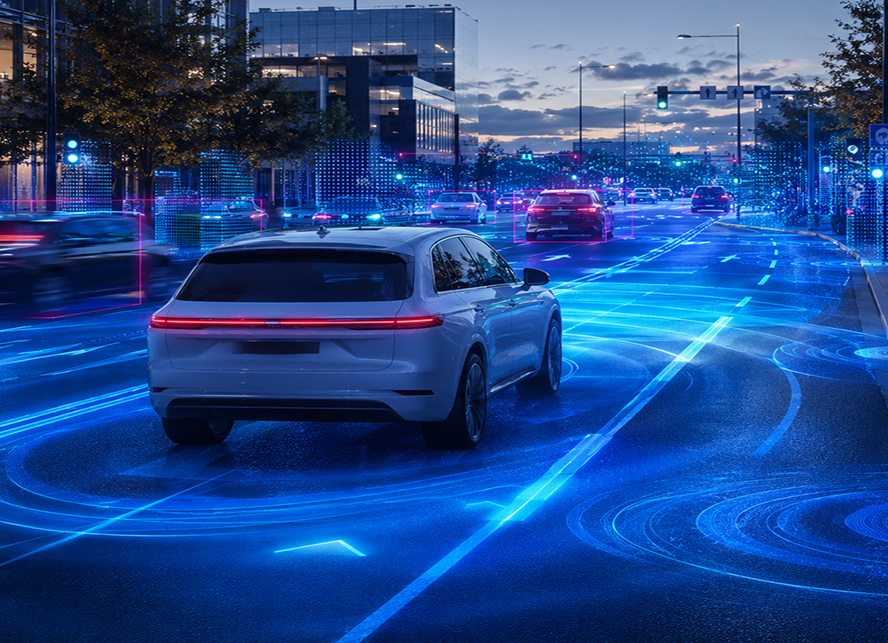
Top 5 Priorities for Automakers in the Tech-Driven Transportation Revolution

March 10, 2024
Read Blog

=== TABLE OF CONTENTS (Q&A Format) ===

1. What does it mean for a vehicle to be “Software-Defined”?
A software-defined vehicle transitions from being a traditional machine to a sophisticated computing platform on wheels. Success in this area requires a “mindset change” where automakers equip cars with high-performance hardware and flexible, open architectures that allow for continuous software updates and the addition of features that have not even been conceived yet.

2. Why is collaboration between large automakers and tech startups essential in 2024?
The modern automotive landscape is too complex for any single company to master alone. By partnering with nimble tech startups, traditional automakers can bridge the resource gap, combining their manufacturing prowess with innovative, cutting-edge ideas to accelerate the development of next-generation driving solutions.

3. How have consumer demands shifted away from traditional automotive metrics?
Modern drivers are moving away from “horsepower-centric” metrics in favor of holistic experiences focused on safety, convenience, and enjoyment. Features like automated parking, hands-free driving, and seamless digital connectivity—which transform the car into a connected extension of a driver’s digital life—are now the primary drivers of consumer choice.

4. How can automakers build trust in new AI and sensor technologies?
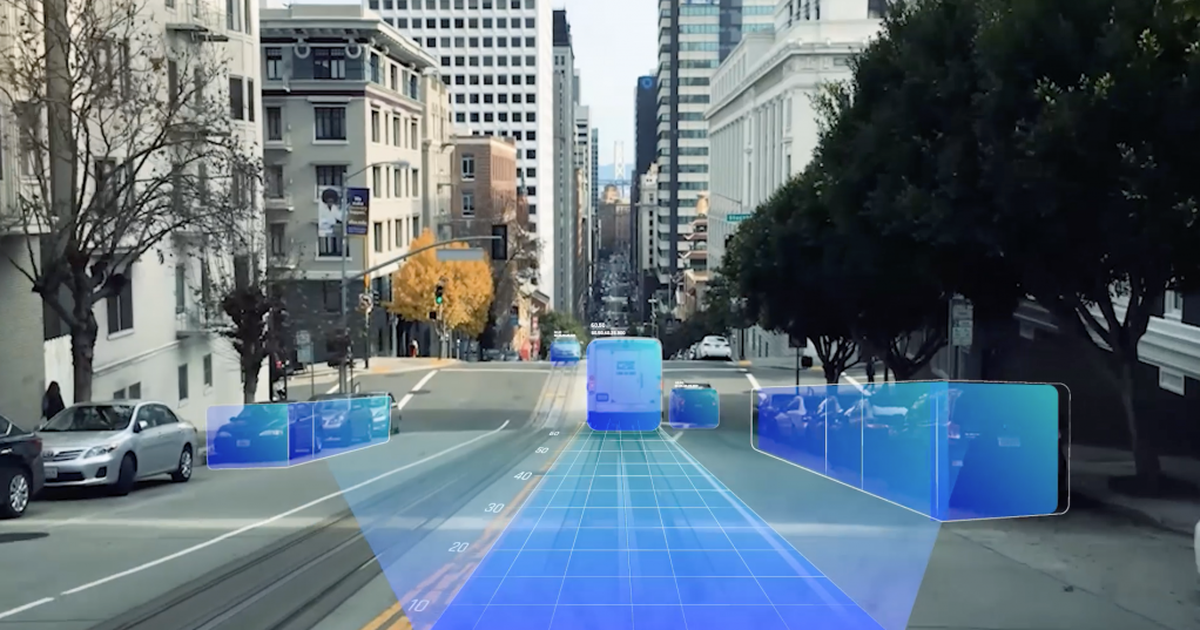
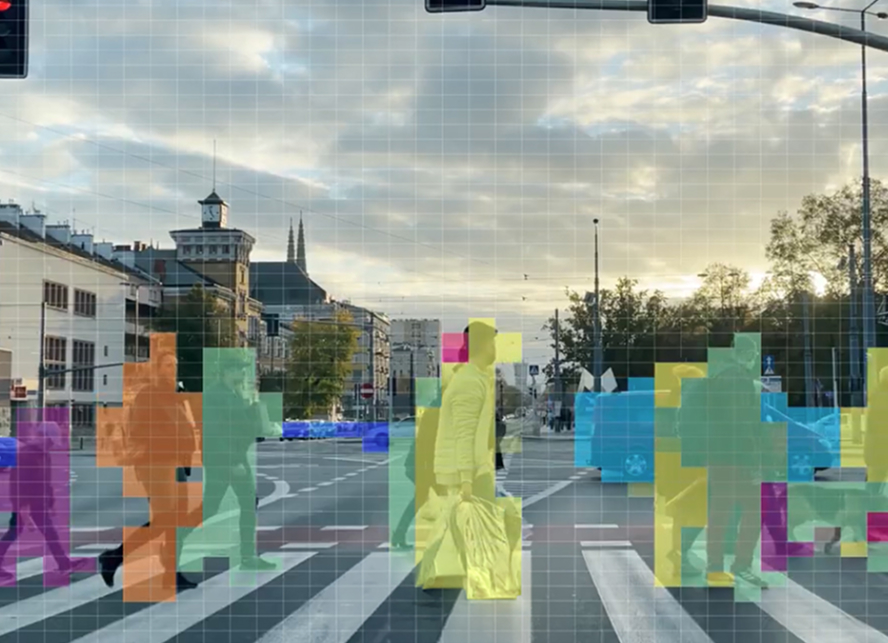
Building trust requires transparency and education. Automakers must go beyond simply installing technology; they must effectively communicate exactly how sensors and AI systems perceive the environment to enhance safety. This education is critical for overcoming consumer hesitation and fostering the widespread adoption of autonomous features.

5. Who is currently leading the global race for technological supremacy in driving?
China has emerged as a frontrunner in the development of next-generation transportation technologies. To remain competitive, global automakers must prioritize the rapid development of ADAS (Advanced Driver Assistance Systems) at Levels 2+ and higher, ensuring they launch vehicles with cutting-edge autonomous features in the immediate coming years.

6. What role does “future-proofing” play in the current automotive renaissance?
Future-proofing involves installing advanced hardware today that has the “headroom” to support the software of tomorrow. By investing in high-performance infrastructure now, automakers ensure that their vehicles remain relevant and competitive throughout their entire lifecycle via over-the-air updates.

7. How does Arbe’s radar technology support an “open ecosystem” approach?
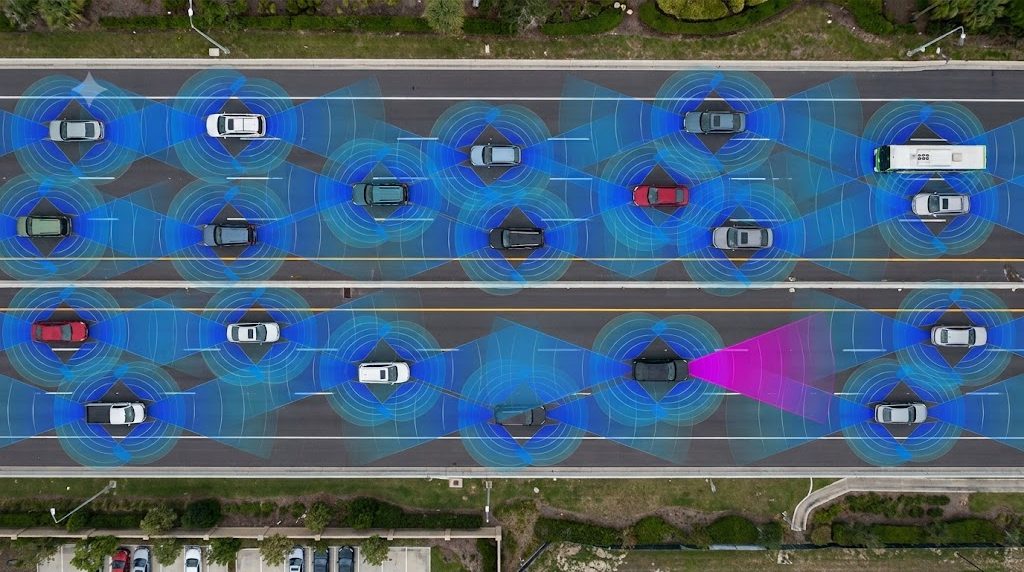
Arbe’s perception radar is designed with an open application framework, meaning it is built to readily accommodate the unique software solutions of different OEMs and Tier 1 suppliers. This flexibility allows manufacturers to integrate “best of breed” solutions and evolve their technology without being locked into a rigid, closed system.

8. Can radar technology help classify objects as accurately as cameras?
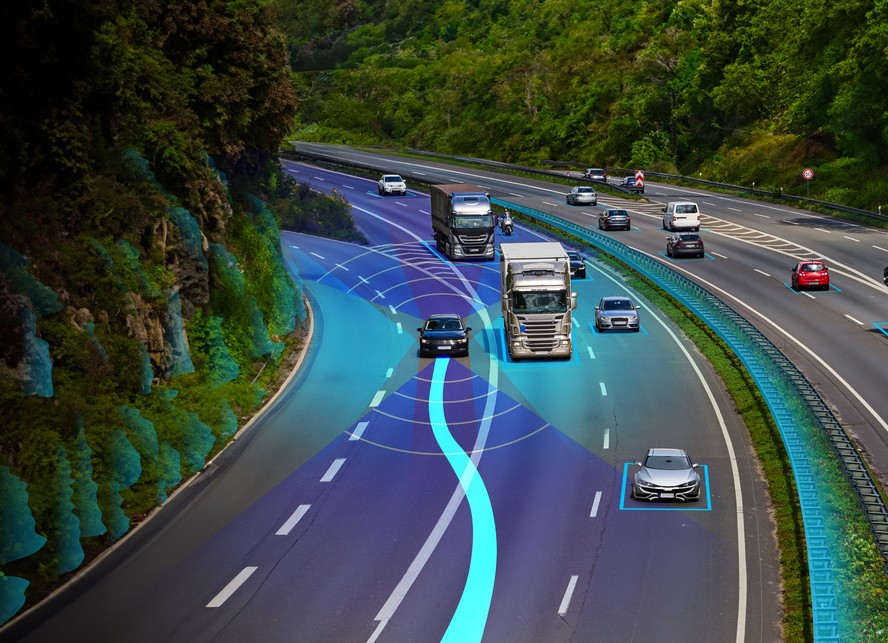
Yes. Arbe’s high-resolution 4D imaging radar provides superior perception capabilities, allowing it to detect and classify objects with unmatched accuracy. This is particularly vital in challenging environments where other sensors might fail, providing the data-rich foundation needed for advanced ADAS and AD.

9. Why is 2024 considered a “pivotal year” for the industry?
The industry is at a crossroads similar to the invention of the automobile a century ago. 2024 marks the point where the transition to software-defined mobility becomes a commercial necessity, requiring agility, collaboration, and a relentless focus on innovation to survive the shift.

10. How does Arbe’s technology align with the McKinsey & Company vision for safety?
McKinsey highlights that advanced technologies have “tremendous potential” to provide new levels of safety. Arbe fulfills this by providing the foundational sensing hardware (Perception Radar) that enables the “Vision Zero” mission—using technology to proactively prevent accidents and transform how people travel safely.

=== TL;DR ===

Top 5 Priorities for Automakers in the Tech-Driven Transportation Revolution

  • The Software-Defined Paradigm: Vehicles are no longer just machines but “computers on wheels.” Automakers must prioritize flexible, open architectures and high-performance hardware that can be updated over-the-air to keep the vehicle relevant long after it leaves the dealership.
  • The Power of Ecosystems: No company can innovate in a vacuum. The most successful automakers will be those that foster collaboration, pairing traditional manufacturing scale with the agility of tech startups to bridge the innovation gap.
  • A Shift in Values: Horsepower is taking a backseat to “holistic experiences.” Modern consumers prioritize safety, convenience, and digital integration, seeking vehicles that act as seamless extensions of their digital lives through features like hands-free driving and smart infotainment.
  • Trust Through Education: High-tech features only work if people use them. Automakers must prioritize consumer education, using transparency to show exactly how AI and advanced sensors (like 4D imaging radar) protect drivers, even when their attention is diverted.
  • Global Competition: With China leading the charge in next-gen ADAS, the global race for technological supremacy is intensifying. Automakers must accelerate their development of L2+ and higher autonomous features to secure their position in the future of mobility.
  • The Arbe Advantage: Arbe provides the “foundational toolkit” for this revolution. Its high-resolution perception radar offers the non-limiting hardware needed to support any OEM’s software, ensuring superior object classification and all-weather safety in a future-proof package.

Success hinges on strategic adaptation and embracing key trends.

The automotive industry is undergoing a transformative shift, transitioning from traditional manufacturing to a software-defined future. We’d have to look back to the very start, more than a century ago, to find another moment as extraordinary as this one. We have the good fortune to be witnessing the renaissance of the automobile. In a 2023 report, McKinsey & Company suggests that advanced technologies offer “tremendous potential to provide new levels of safety and convenience for consumers, generate significant value within the auto industry, and transform how people travel.” However, some automobile makers may need “a mindset change” to tap that potential. “Simply put, the old ways of doing things are no longer valid.”

In this dynamic landscape, success hinges on strategic adaptation and embracing key trends. Here are 5 crucial areas automakers must prioritize in 2024:

1. Reimagine the Vehicle: Embrace the Software-Defined Future

Cars are no longer just machines; they are sophisticated computing platforms on wheels. This necessitates a paradigm shift towards future-proofing vehicles. This means equipping them both with the most advanced, high-performance hardware that enables future feature expansions and with flexible open architecture that allows for continuous software updates and feature expansions, even for technologies yet to be conceived. Doing so ensures vehicles remain relevant and competitive in the rapidly evolving tech landscape.

2. Foster Collaboration: Leverage the Power of Ecosystems

The complex demands of modern automotive technology necessitate collaboration beyond traditional boundaries. Large automakers, with their extensive manufacturing prowess, can partner with nimble tech startups brimming with innovative ideas. This synergy bridges the resource gap, fostering the development of cutting-edge solutions that benefit both parties and, ultimately, drivers.
3. Align with Evolving Consumer Demands: Safety, Convenience, and Fun Take Center Stage

Consumer preferences have shifted from horsepower-centric metrics to a demand for holistic driving experiences. Features that enhance safety, convenience, and enjoyment are now paramount. Automated parking, hands free driving, and infotainment technologies are highly sought-after. Additionally, seamless connectivity and access to digital experiences within the car are crucial for the modern driver, transforming the vehicle into a connected extension of their digital lives.

4. Prioritize Safety: Build Trust Through Transparency and Education

While embracing innovative technology is crucial, building consumer trust remains paramount. Automakers must effectively communicate the safety benefits of advanced features like sensors and AI systems. Educating drivers about how these technologies perceive their surroundings and enhance safety, even when their attention is diverted, is key to overcoming potential hesitations and fostering widespread adoption.

5. Stay Ahead of the Curve: The Global Race for Technological Supremacy

The competition for leadership in the development of advanced driver-assistance systems (ADAS) and autonomous driving (AD) is intensifying globally. China has emerged as a frontrunner, actively investing in next-generation technologies. To keep pace, automakers must prioritize development of ADAS systems and levels 2+ and higher, and prepare to launch vehicles equipped with cutting-edge features in the coming years.
As a leader in perception radar technology, Arbe is fully committed to empowering OEMs to navigate this tech-driven transportation revolution. Through our industry-leading 4D imaging radar solutions, we provide automakers with a powerful toolkit to address these key priorities. Arbe’s high-resolution radar enables superior perception capabilities like detecting and classifying objects with unmatched accuracy, even in challenging environments, and laying the foundation for advanced ADAS and AD features. Arbe’s radar delivers the hardware needed to future proof infrastructure for the roll out of new applications, readily accommodating unique OEM and tier 1 software solutions and requirements via an open application framework. Our flexible and open ecosystem approach ensures smooth integration with best of breed solutions allowing OEMs to evolve, and maintain their leadership position.

2024 is a pivotal year for the automotive industry. By embracing these key priorities, automakers can navigate the tech-driven transportation revolution and secure their position in the future of mobility. Remember, the road ahead requires agility, collaboration, and a relentless focus on innovation.

————————————


This blog contains “forward-looking statements” within the meaning of the Securities Act of 1933 and the Securities Exchange Act of 1934, both as amended by the Private Securities Litigation Reform Act of 1995. The words “expect,” “believe,” “estimate,” “intend,” “plan,” “anticipate,” “may,” “should,” “strategy,” “future,” “will,” “project,” “potential” and similar expressions indicate forward-looking statements. Forward-looking statements are predictions, projections and other statements about future events that are based on current expectations and assumptions and, as a result, are subject to risks and uncertainties, including the risk that the proposed regulation will be adopted in a form which increases to market for Arbe’s radar sensors,  that other companies may offer products which are less expensive or more attractive to the market, that if the regulation is adopted, the effective date will be in the distant future and may not have any significant effect on market for Arbe’s products and the risk and uncertainties described in “Cautionary Note Regarding Forward-Looking Statements,” “Item 5. Operating and Financial Review and Prospects” and Item 3. Key Information –Risk Factors” Arbe’s Annual Report on Form 20-F/A for the year ended December 31, 2022, which was filed with the Securities and Exchange Commission on May 16, 2023 as well as other documents filed by Arbe with the SEC. Accordingly, you are cautioned not to place undue reliance on these forward-looking statements. Forward-looking statements relate only to the date they were made, and Arbe does not undertake any obligation to update forward-looking statements to reflect events or circumstances after the date they were made except as required by law or applicable regulation. Information contained on, or that can be accessed through, Arbe’s website or any other website is expressly not incorporated by reference into and is not a part of this press release.

Connect to learn more
Navigating the Noise
July 5, 2026

Navigating the Noise

Physical AI’s Real Bottleneck Is Perception
June 8, 2026

Physical AI’s Real Bottleneck Is Perception

Why ‘Good Enough’ Detection Fails in the Mine and on the Farm
April 27, 2026

Why ‘Good Enough’ Detection Fails in the Mine and on the Farm

Level 3 Autonomy: The Next Leap in Driving Confidence
November 10, 2025

Level 3 Autonomy: The Next Leap in Driving Confidence

Phantom-Free Radar
August 11, 2025

Phantom-Free Radar

Mastering 20 FPS Performance
July 14, 2025

Mastering 20 FPS Performance